
Attic Rodent Exclusion & Cleanup in Los Angeles. We seal every roofline entry point, remove the active population, and assess the interior condition before the job closes.
Rodent R Us dispatches from Tarzana and works the neighborhoods where roof rats live in the roofline every day. We inspect the full attic zone, remove the active population, seal every confirmed entry point, and document the interior condition in writing.
The process runs from the sensory experience to the biological reality, then through inspection, active removal, sealing, and attic assessment. Matter of fact, no shortcuts.
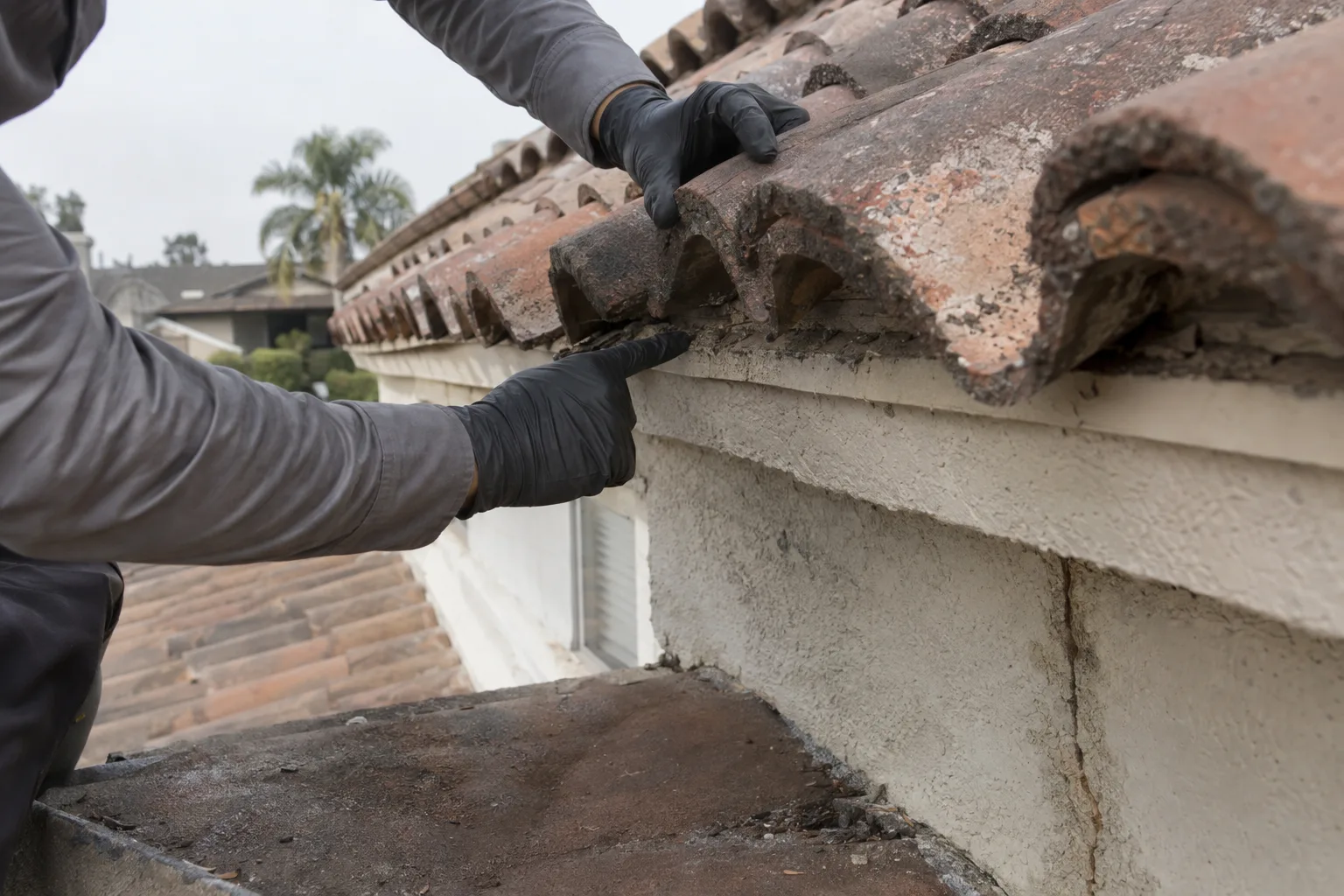
Full roofline inspection at the eave, fascia, soffit, and tile line. Every confirmed entry point documented and photographed before any material is applied.
Active population removal completed first, the correct sequence. Then sealing begins with hardware cloth rated for rodent exclusion, not foam or steel wool.
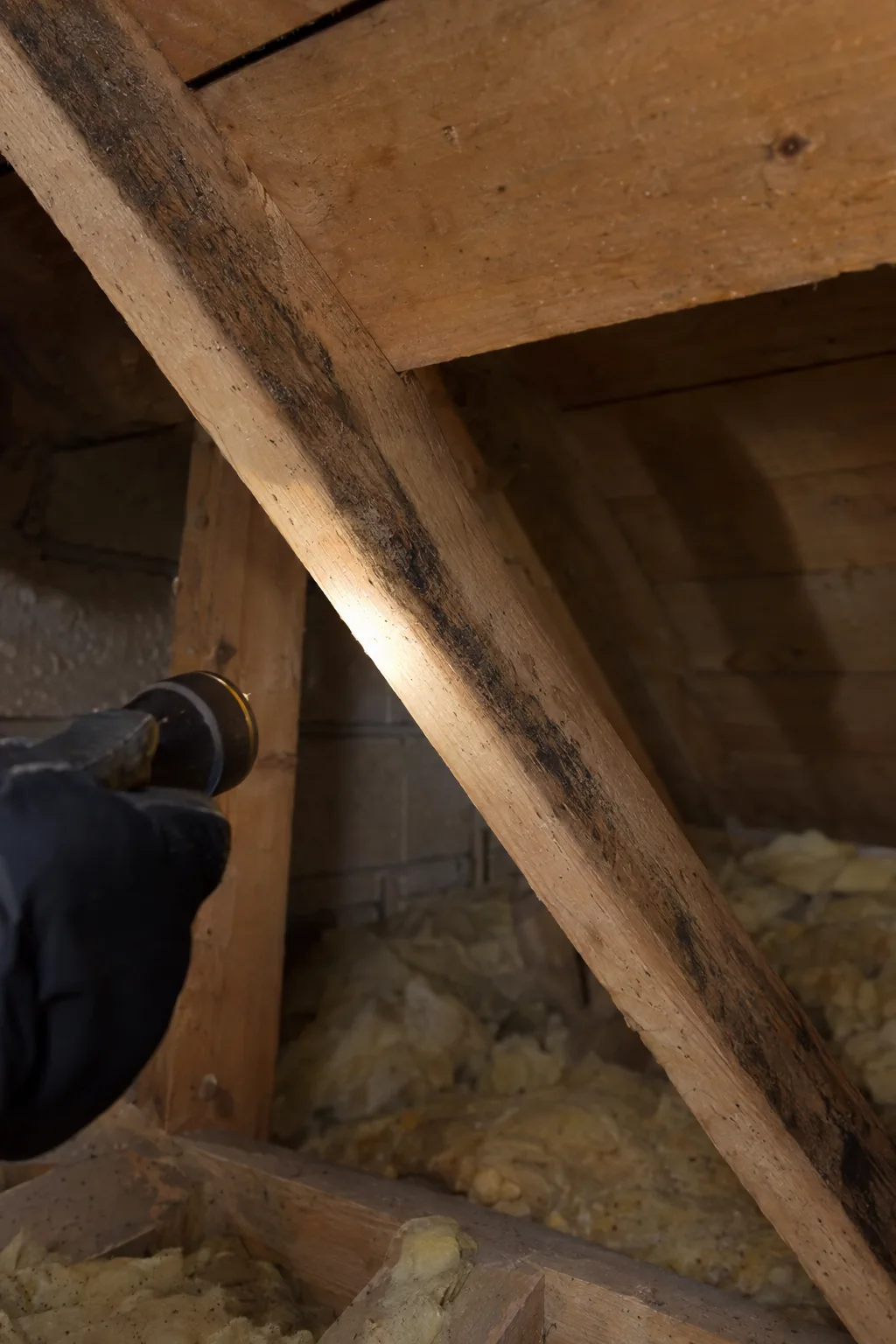
Interior attic walk after sealing to assess insulation for contamination. Written findings delivered, every confirmed entry point listed by location.
Every attic exclusion job at Rodent R Us follows the same documented sequence, no shortcuts based on property size or access difficulty.
The homeowner calls after hearing scratching directly above the bedroom ceiling. Consistent sound. Starts around dusk. Gets active again in the early morning hours. They have heard it for a few weeks.
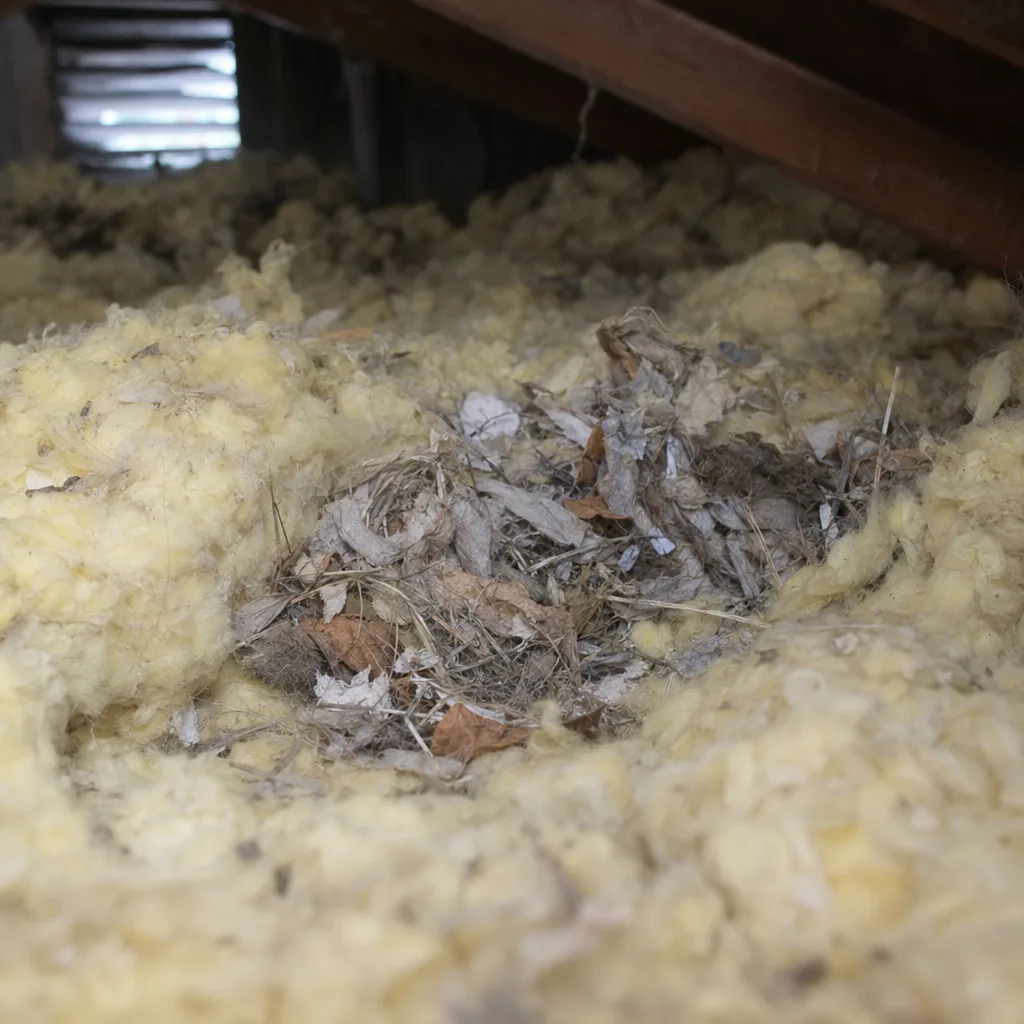
When the crew gets into the attic, the first step is mapping the perimeter before touching anything. The crew looks for active nesting material, compressed insulation, shredded paper and plant matter built into a dense pile, usually in a corner or against the roof decking. That tells us how long the animals have been there and roughly how many are involved.
Then the crew works the roofline from the exterior. On a Spanish tile home, that means checking every bird block gap along the full eave length. On a home with a composition roof, the crew checks the fascia board for rot gaps and any point where the soffit panel has pulled away from the framing. Every confirmed opening is documented by location and photographed.
The next step is active population removal. Entry points are not sealed while animals are still inside. That is the wrong sequence. The trapping phase runs first, until activity stops and the crew has confirmed the population has been addressed. Then sealing begins.
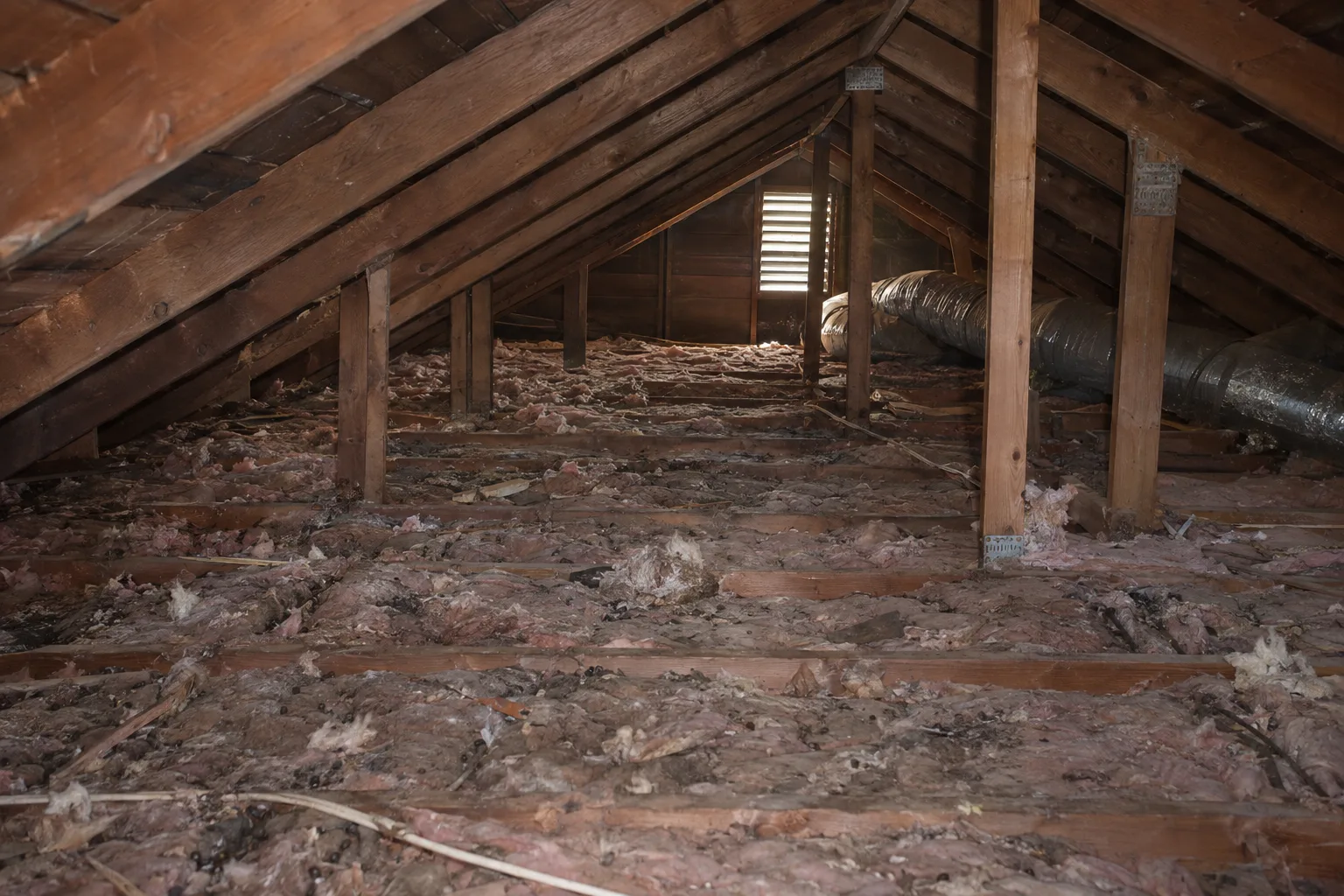
After sealing comes the interior attic assessment. The crew checks the insulation for compression and contamination. Rodent droppings and urine degrade insulation's thermal rating and create a biohazard condition over time. Findings are documented and delivered to the homeowner in writing. If the insulation needs to come out, that conversation is supported by specific findings, not a guess.
The job isn't closed until the attic has been sealed and assessed. Not just treated.
Roof rats in Los Angeles enter from above, not from the ground. Rodent R Us operates out of Tarzana, directly inside the neighborhoods where this plays out on every service call.
The western San Fernando Valley, Encino, Woodland Hills, Reseda, is built on Spanish tile and aging soffit construction. Mature citrus and avocado trees grow into rooflines throughout the area. Utility lines run close to the fascia. These aren't risk factors on a map. They're the actual conditions the crew works around every week.
Here's what most homeowners in Los Angeles don't realize about roof rat entry: the gap beneath a clay tile where it meets the fascia board, called a bird block, is often completely open. No screen. No seal. It has been open since the house was built. Roof rats (Rattus rattus), an aerial-traveling species that runs telephone lines and citrus branches to reach your roofline, find that gap reliably. Once they're inside the attic, the space is warm, dark, and undisturbed. Nesting begins quickly.
Placing traps in the attic yourself can reduce activity temporarily, but it leaves the structural access problem in place.
You can place traps. Some of them will catch animals. The scratching may stop for a few weeks.
But the entry points along your roofline are still open. Roof rats are not solitary. When one population is reduced, the same gaps allow new animals in from the surrounding area. In Los Angeles, that pressure is constant. The fall temperature shift, the post-rainy-season surge, and the year-round activity from the urban-wildland corridor near Topanga keep new animals probing residential rooflines every month.
The attic is a structural access problem. Closing the structure is what makes the outcome last.
Attic rodent exclusion, the process of identifying and permanently sealing every access point a rodent uses to enter your attic, is the only intervention that stops a recurring roof rat problem in a Los Angeles home. Traps and poison remove animals already inside. They do not close the gap in your soffit vent or the open bird block under your Spanish tile. Rodent R Us inspects the full attic zone, removes the active population, seals every confirmed entry point, and assesses the interior condition before the job closes.
Rodent R Us dispatches from Tarzana and serves attic exclusion jobs across Los Angeles and the San Fernando Valley.
We work regularly in Encino, Woodland Hills, Reseda, Canoga Park, West Hills, Sherman Oaks, Studio City, and Calabasas. If you're in a neighborhood with Spanish tile rooflines and mature citrus in the yard, you're in our standard service area. Call (323) 805-0173 or email in**@*******us.com to confirm coverage for your address.
A written inspection and entry point assessment is the first step, and it's how every attic exclusion job begins.
Call Rodent R Us at (323) 805-0173 or email in**@*******us.com to schedule. Tell us where you're hearing activity and how long it's been going on. We'll get an inspection on the calendar, document what we find, and walk you through the full scope before any work begins.
You can place traps and some will catch animals, so the scratching may stop for a few weeks. But the entry points along your roofline stay open. Roof rats are not solitary, and the same gaps allow new animals in. Closing the structure is what makes the outcome last.
Roof rats enter from above, not from the ground. The gap beneath a clay tile where it meets the fascia board, called a bird block, is often completely open since the house was built. Roof rats run telephone lines and citrus branches to reach your roofline and find that gap reliably.
Entry points are not sealed while animals are still inside. That is the wrong sequence. The trapping phase runs first, until activity stops and the crew has confirmed the population has been addressed. Then sealing begins. This phase can take several days to two weeks depending on population size.
Soffit vents are sealed with hardware cloth rated for rodent exclusion, not foam and not steel wool. Bird block gaps are addressed with species-appropriate mesh, not material that deteriorates in sun and moisture. Fascia gaps are filled with gnaw-resistant material matched to the surface and gap dimension.
Yes. After sealing, the crew walks the attic interior and assesses the insulation for contamination. Rodent droppings and urine degrade insulation's thermal rating and create a biohazard condition over time. Findings are documented and delivered to the homeowner in writing.
Contact our team today for a free consultation. Tell us where you're hearing activity, attic, walls, or ceiling, and we'll schedule an inspection.
(323) 805-0173 • in**@*******us.com
© 2026 Rodent R Us. Report every job Rodent Exclusion, Serving Greater Los Angeles.