
Species-specific exclusion for Rattus rattus. We inspect at roofline elevation, where LA's dominant species actually enters.
Tarzana, CA
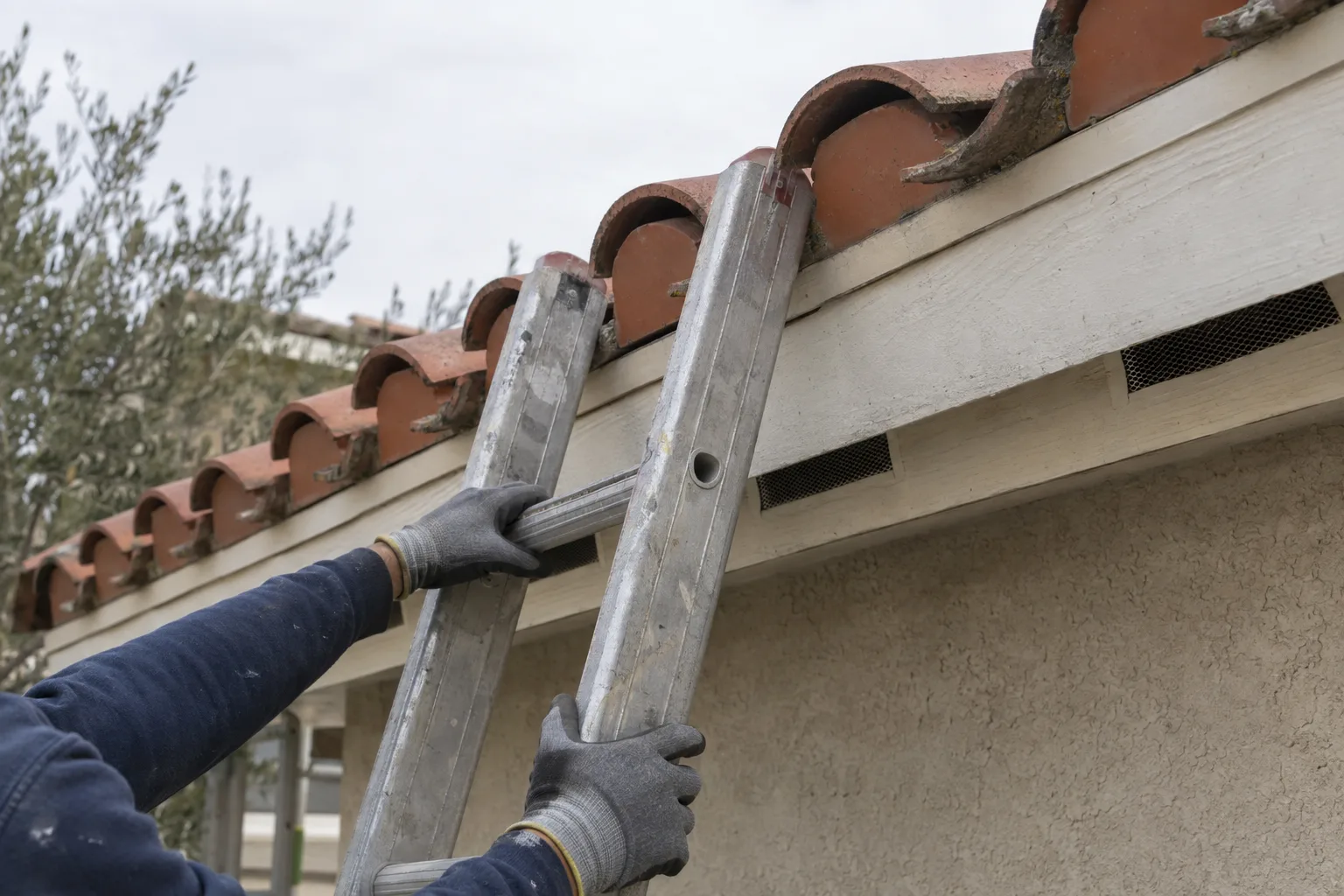
Roof rats enter six, eight, twelve feet above the ground, not from the foundation.
Ladders go up. We check every bird block gap, fascia junction, and utility line entry.
Every confirmed entry point mapped and documented before any work begins.
Los Angeles has a roof rat problem, and most general advice about rats describes a different animal entirely.
Rattus rattus, the black rat, the roof rat, is an aerial traveler. It does not burrow under your foundation. It runs along the top of a fence, crosses a utility line, moves through an overhanging citrus branch, and drops onto your roofline. Then it finds a gap in the soffit, a lifted tile edge, an open bird block under the clay, and it's inside your attic.
Here's what most homeowners don't realize about roof rats: sealing your foundation does nothing to stop them. The entry is happening six, eight, twelve feet above the ground. General pest control guides frequently describe ground-burrowing rats, Rattus norvegicus, the Norway rat, that enter from below. Los Angeles has a Rattus rattus problem. Those two animals require completely different exclusion strategies.
Tarzana sits inside the highest roof rat pressure zone in the greater Los Angeles area.
The western San Fernando Valley, Tarzana, Encino, Woodland Hills, Calabasas, is built on post-war housing stock from the 1950s through the 1970s. Spanish Colonial and Mission-style architecture dominates. That means clay tile rooflines with open bird block gaps at the eave, aging fascia boards warped by decades of sun exposure, and soffits that have long since pulled away from the frame in spots no one thinks to check.
Add mature citrus trees, lemon, orange, avocado, in nearly every yard. Roof rats treat those branches as travel infrastructure. A branch that reaches within four feet of your roofline is a runway. The Rodent R Us crew works in these neighborhoods every week. The entry conditions described on this page are not hypothetical. They're what we find at property after property across this corridor.
4ft
Branch clearance that becomes a runway
12ft
How high above ground entry happens
1950s-70s
Valley housing stock with clay tile rooflines
I've walked dozens of properties where someone did real work, foam around the pipes, new screens on the foundation vents, door sweeps on the garage. Good instincts. Right category of thinking. Wrong elevation.
One home in Woodland Hills comes to mind. The owner had spent two weekends sealing every gap he could reach at ground level. Thorough job. No entry points below the stem wall that we could find on inspection. And yet the scratching above the master bedroom ceiling hadn't stopped. We pulled out the ladder and worked the roofline.
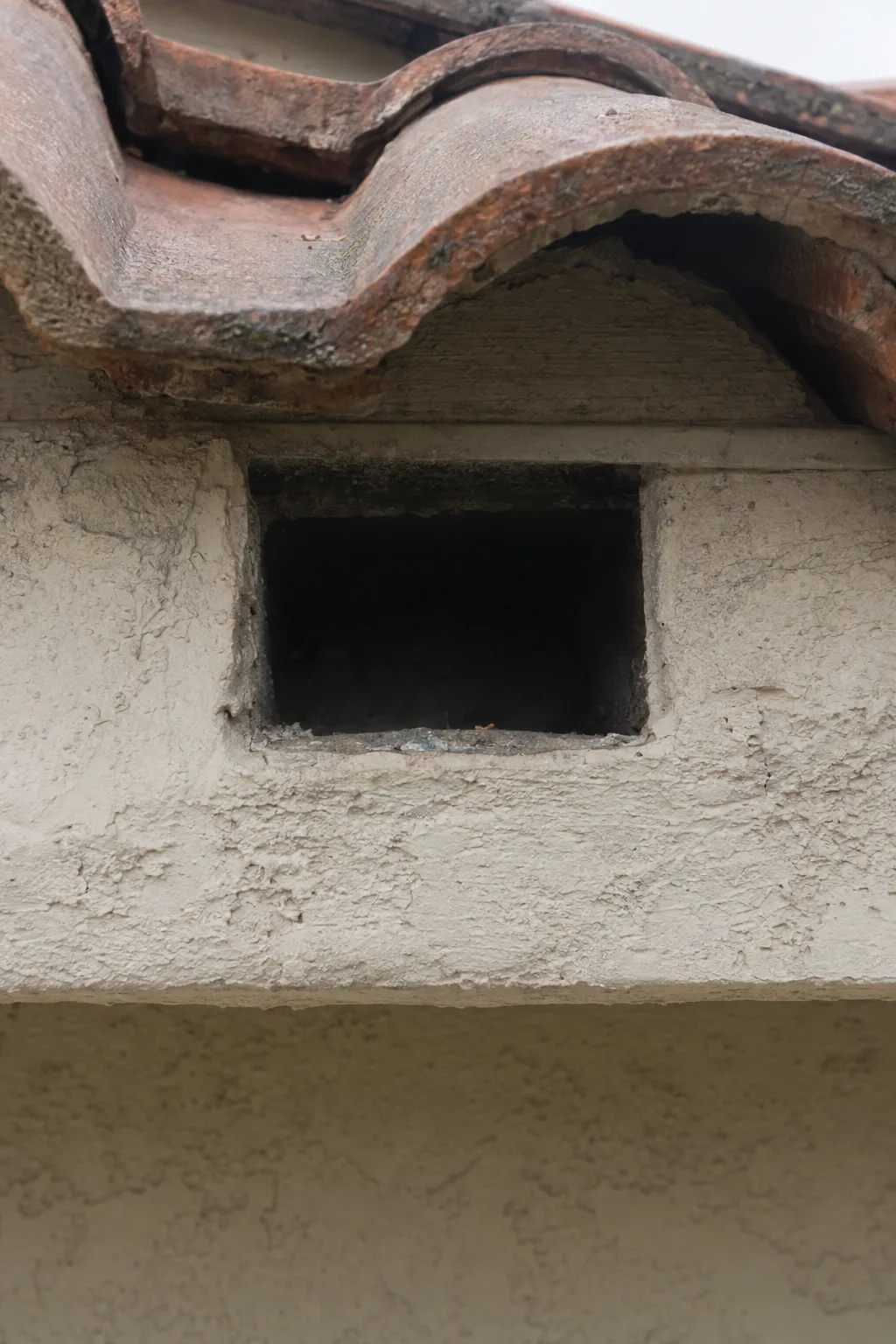
The clay tiles on the west-facing eave had three open bird block gaps, each one roughly two inches wide, running the full depth of the fascia. The avocado tree in the side yard had a branch that cleared the gutter by about eighteen inches. That branch was the access point. The bird blocks were the door. The attic was full of nesting material, mostly shredded insulation and debris from the yard. Not a single one of those entry points was visible from the ground.
We sealed all three bird block openings with galvanized hardware cloth cut and fitted to the void profile. We documented each gap by location and photographed the installed material. That's where the job needed to happen. That's where it got done.
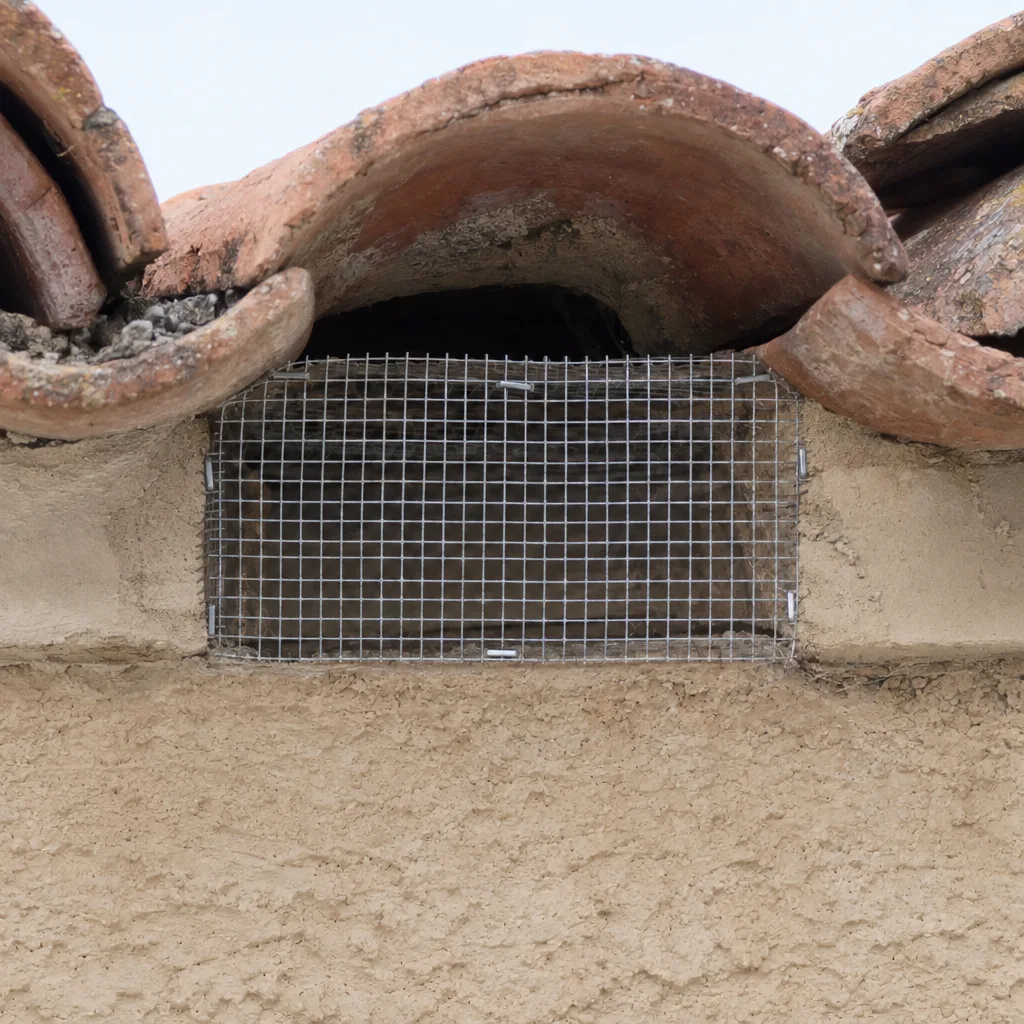
The bird blocks were the door.
Not one entry point was visible from the ground.
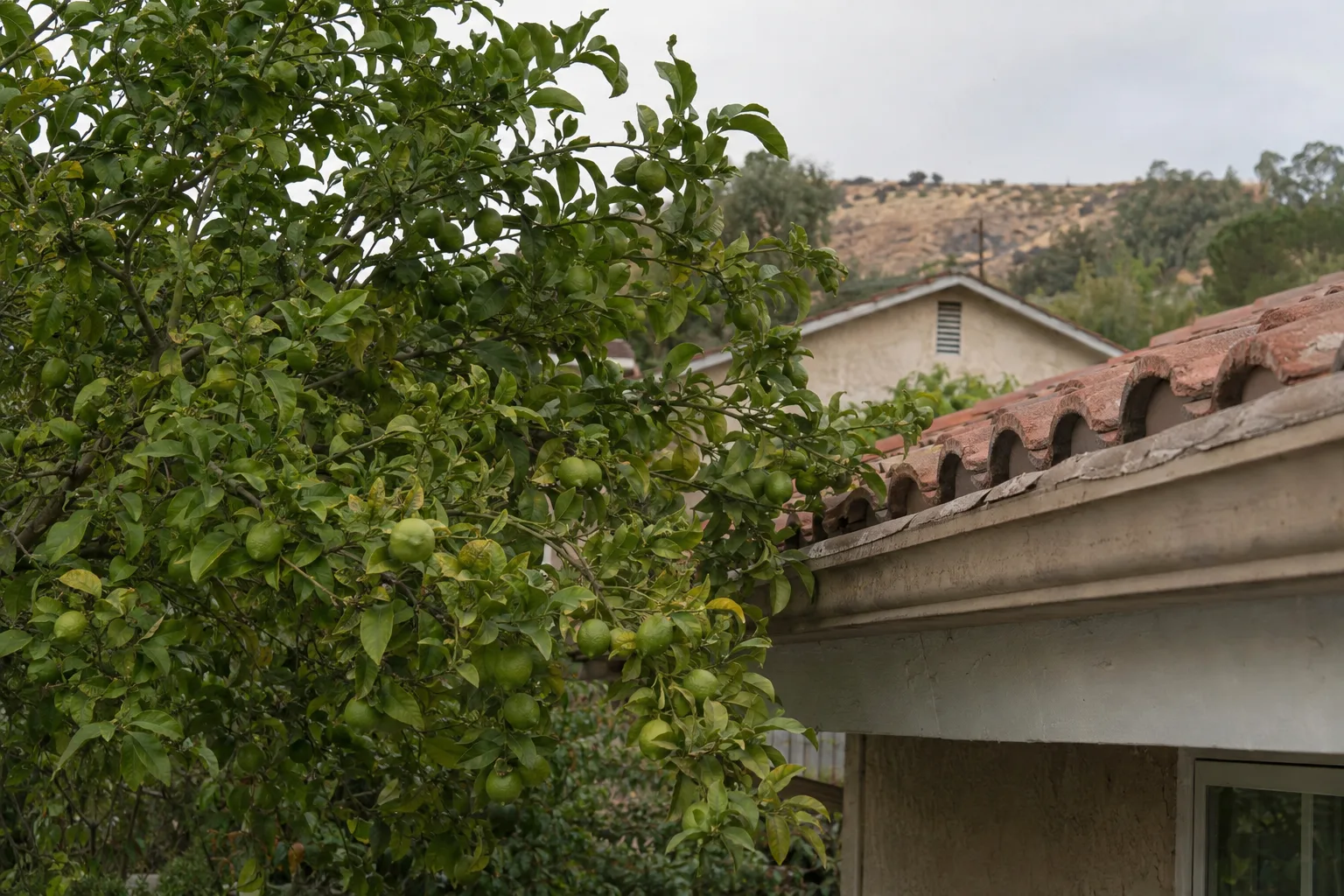
The entire inspection is built around how Rattus rattus actually moves, not how a textbook describes rat entry.
A lot of inspections happen from the ground. A technician walks the perimeter, checks the visible foundation, notes the obvious gaps. That approach works for some rodent species. It does not work for roof rats in Los Angeles.
Our crew uses ladders. We get to the eave line. We check every bird block gap, every fascia board junction, every point where a utility line attaches to the exterior wall. We trace the likely travel paths, the branches, the fence tops, the cable lines, back to the structure and work forward from there.
If there's a citrus tree within jumping distance of your roofline, we document it. If there's a soffit panel that's pulled loose on the north face of the building, we photograph it. The inspection produces a written entry point map. You receive that map before any work begins.
Every access point at roofline elevation gets assessed, documented, and assigned a material closure method.
Every gap where clay tile meets the fascia is measured and checked for evidence of passage, grease trails, gnaw marks, disturbed debris at the opening.
Warped, cracked, or pulled-away soffit panels identified by location and documented with photos.
Every point where a power, cable, or phone line attaches to the exterior is examined for grease trail evidence and gap clearance.
Tree branches within jumping distance of the roofline are documented as aerial travel paths; citrus and avocado trees in close proximity are flagged by species and distance.
Active nesting, dropping accumulation, grease trail patterns, and sound evidence are recorded by zone.
Every confirmed entry point is listed by location before any sealing recommendation is made.
Roofline exclusion for Rattus rattus requires the right material at the right elevation, installed to hold against sustained gnaw pressure.
We begin at the point where the rat's travel path meets the structure. Ladders go up before anything else. Bird block gaps are the first priority, they're the most common confirmed entry point on Spanish tile rooflines in the San Fernando Valley. We measure each opening and determine whether the gap needs a mesh insert, a solid block, or a fitted panel depending on the void geometry.
Soffit separations are assessed next. A pulled soffit can run several feet along an eave, we map the full extent before cutting any material. Utility line attachment points are checked last. These often require a collar or bracket that prevents travel along the line from translating into wall access.
Bird block openings receive galvanized hardware cloth inserts cut to profile, sized to fill the void without compressing, secured to hold against gnaw and push pressure from inside. Soffit gaps are closed with matching material where possible or with Xcluder fabric where the gap geometry requires a flexible fill. Utility attachment points receive physical deterrent treatment at the wall penetration.
All materials are rated for gnaw resistance. Standard foam sealant is not used as a standalone fill, it does not hold under sustained gnaw pressure. Every installed piece is photographed at completion.
After installation, the crew performs a perimeter walk with the entry point map in hand, checking each sealed location against the documented finding. Any gap that cannot be fully confirmed as closed is flagged for a follow-up assessment. The homeowner receives the completed documentation at job end: every entry point, every material used, every location confirmed sealed.
We serve residential and commercial properties across the Los Angeles metro from our Tarzana base.
If you're within the roof rat pressure zone, which covers most of Los Angeles, we can reach you.
Roof rat activity increases when citrus ripens. That's the window when aerial travel paths get the most use.
Late summer through fall, LA's citrus trees are loaded. Roof rats feed on fruit from the tree, not from the ground, and they use those same branches to reach your roofline. Getting a roofline assessment and entry point seal completed before that seasonal pressure increases is the most efficient timing for exclusion work on this species.
Call (323) 805-0173 or email in**@*******us.com to schedule. Tell us what you've been hearing and where, we'll work from there.
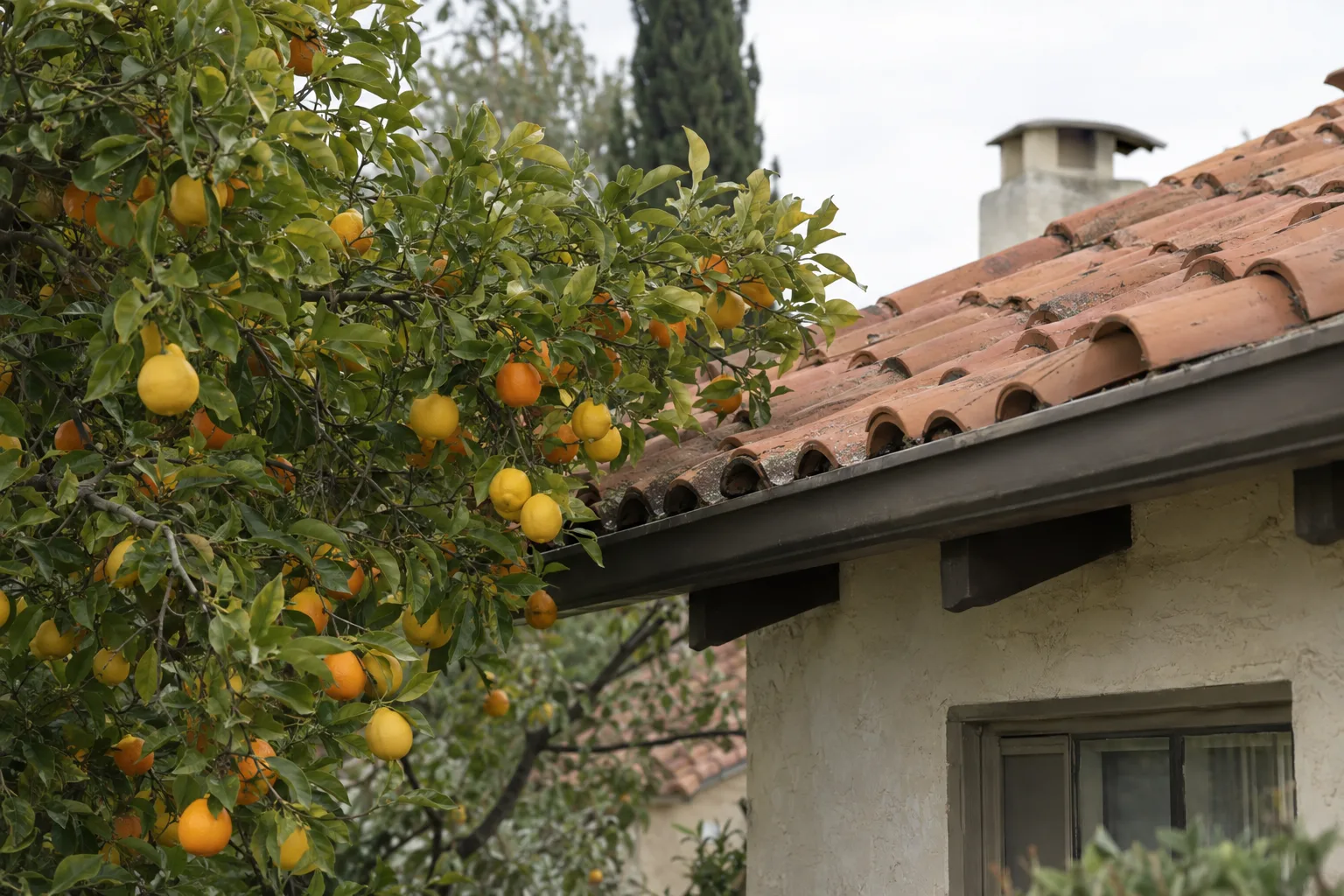
Roof rats, Rattus rattus, enter from above, not below. The access is happening six to twelve feet up at the roofline, through bird block gaps, soffits, and lifted tile edges. Ground-level sealing does not reach where this species actually gets in.
They travel aerially, along fence tops, utility lines, and overhanging tree branches. A citrus or avocado branch within four feet of your roofline acts as a runway straight onto the structure.
Bird block openings receive galvanized hardware cloth inserts cut to profile, with Xcluder fabric where flexible fill is needed. All materials are rated for gnaw resistance. Standard foam sealant is never used as a standalone fill because it does not hold under sustained gnaw pressure.
Yes. You get a written entry point map before work begins, and completed documentation at job end: every entry point, every material used, and every location confirmed sealed, with photos.
Before citrus season. Late summer through fall, activity increases as fruit ripens and rats use those same branches to reach your roofline. Completing exclusion ahead of that pressure is the most efficient timing for this species.
Roof rats enter from the top. We seal from there. Contact our team today for a free consultation.
in**@*******us.com ● Serving Greater Los Angeles from Tarzana, CA