
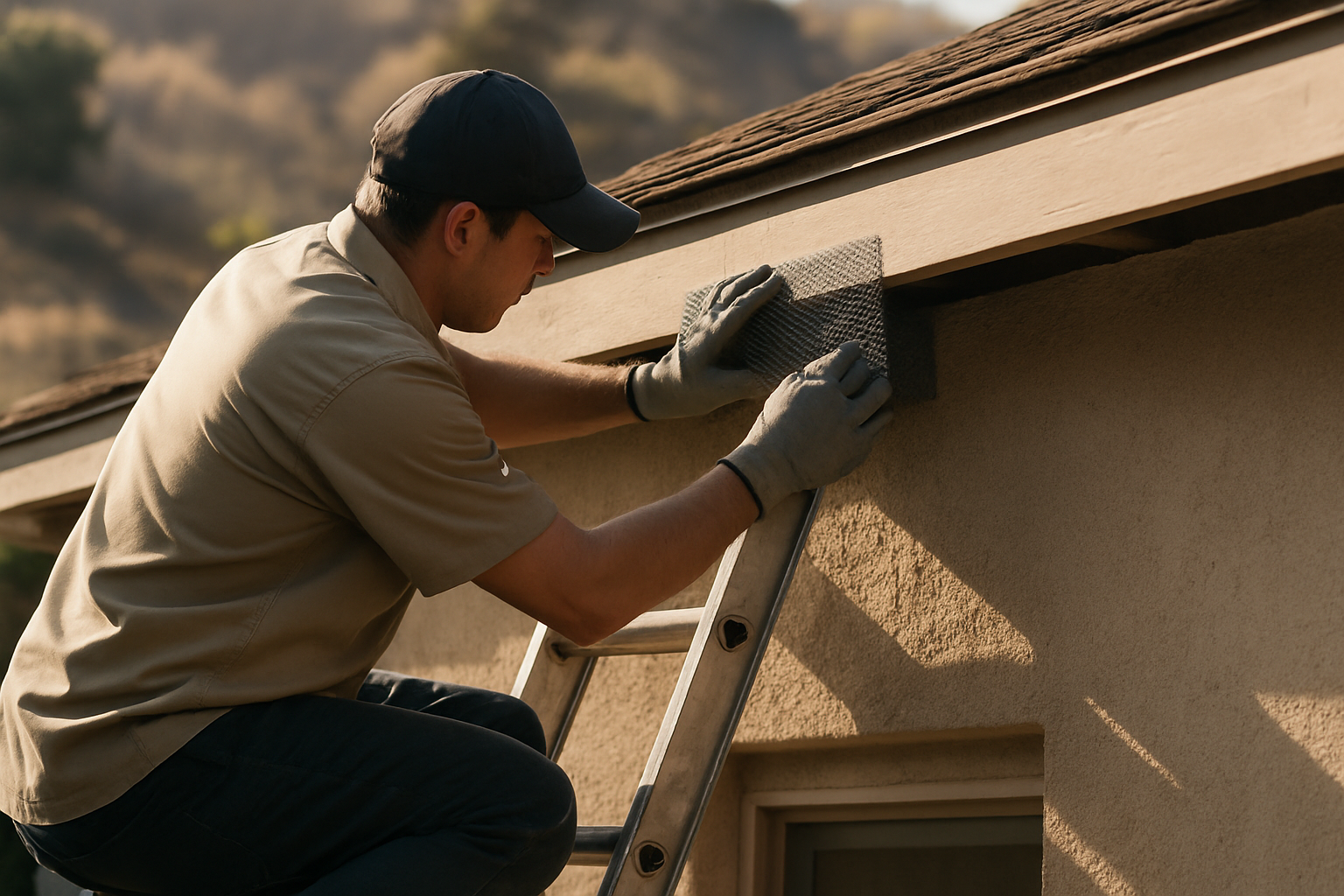
Rodent Exclusion vs. Extermination
Why Trapping Alone Does Not Solve a Rat Problem
Exclusion treats the structure. Extermination treats the animal. Only one of those holds.
The Difference Between Treating Rodents and Solving the Rodent Problem
Extermination
Treats the animal. Removes the existing population, addresses the symptom, and ends when the next population finds the same open entry point.
Exclusion
Treats the structure. Physically seals every confirmed entry point so the building no longer allows entry. This is the approach that holds.
Removing Rodents Without Sealing the Opening Just Schedules the Next Infestation
Trapping removes animals. It does not change anything about the building.
You book a pest control service. A technician sets traps or places bait. The activity slows down. Three weeks later, the scratching comes back. You call again. Same result. This is not bad luck. It is the predictable outcome of a treatment model that never addressed why rodents were inside the structure in the first place.
Here is what most homeowners do not realize about the repeat-infestation cycle: the opening is the problem, not the animal that used it.
When a trap-only treatment, a pest control approach that removes individual rodents without addressing the physical openings they used to enter, is applied without structural exclusion, nothing about the building changes. The gap under the soffit is still there. The split foundation vent is still split. The space where the utility conduit meets the exterior wall is still open.
New rodents find those same openings within weeks. Sometimes days.
Extermination, in the pest control sense, means killing or removing the existing population. That addresses the symptom. It does not address the structural condition that allowed the infestation to begin. Understanding the difference between these two approaches is the most important thing a Los Angeles homeowner can do before spending money on any rodent service.
How Population Replacement Works in an LA Urban Environment
Population replacement is the reason the scratching comes back after treatment.
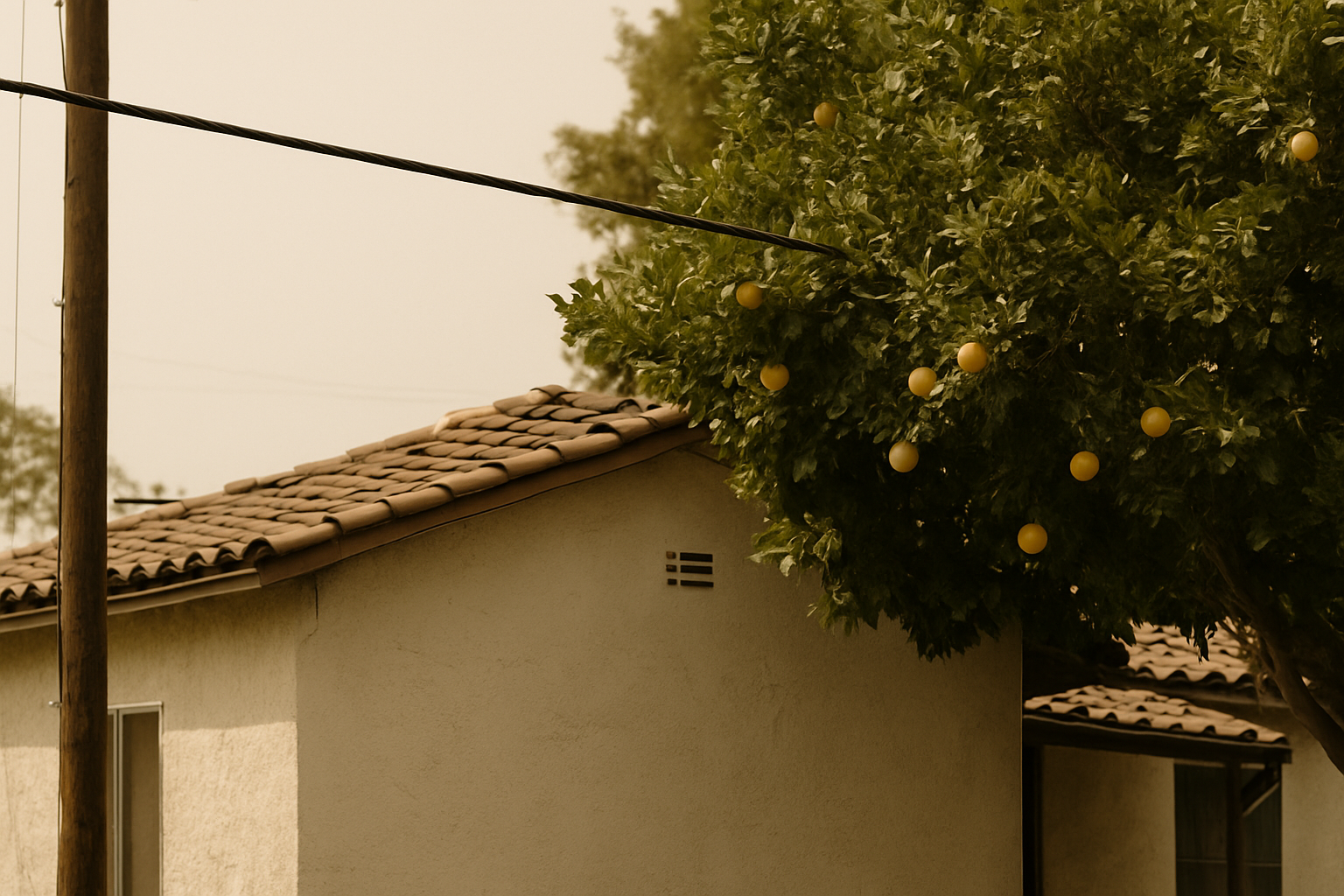
Population replacement is the ecological process by which new rodents move into a territory after existing ones are removed. In Los Angeles, this process happens fast. Roof rats, Rattus rattus, the dominant species in LA, live in dense urban canopy environments. Utility lines, citrus trees, and palm fronds connect every block to every neighboring block. A territory that opens up gets noticed and occupied.
When entry points remain open after a trap-only treatment, the re-entry window, the period during which the active population has been reduced but openings remain unsealed, typically closes within weeks in an LA urban environment.
Here is the ecological reality: remove ten roof rats from a structure without sealing the roofline, and the structure still looks like viable habitat from the outside. The food sources are still there. The shelter is still accessible. The warmth is still present. Another population finds the same gaps. The cycle starts again.
This is not a failure of effort. It is a failure of scope. Structural exclusion, the practice of physically modifying a building to prevent rodent entry, is what changes the calculation. It treats the gap as the root cause rather than the animal that passed through it.
Los Angeles's lush residential landscaping makes this especially relevant. Citrus, avocado, and fig trees grow directly against structures across Tarzana, Encino, and Woodland Hills. Those trees are travel infrastructure for roof rats. Removing rodents without addressing the entry points they used through that canopy produces a short-term outcome at best.
The Cycle Without Exclusion
- 1 Traps remove the active population.
- 2 The building still looks like viable habitat.
- 3 New rodents find the same open gaps.
- 4 The re-entry window closes. Activity returns.
Three Treatments in Eight Months. Here Is What Was and Was Not Addressed
The repeat-infestation cycle has a clear cause. Here is what it looked like on one San Fernando Valley property.
What the Prior Treatments Left Unresolved
A homeowner in the Valley had received rodent treatment three times in eight months. Each time, the technician arrived, set traps, collected them two weeks later, and confirmed the active population was reduced. Each time, the activity returned within a month or two.
When the Rodent R Us crew arrived for an inspection, the full-perimeter assessment told the real story. The property had seven confirmed entry points. None of them had ever been sealed.
A split section of soffit on the north elevation, partially rotted from years of sun exposure, was the primary access point for roof rats traveling from a mature citrus tree in the side yard. Two foundation vents on the rear of the house had screens that had corroded away at the corners. A pipe sleeve on the east wall, where an old gas line penetrated the stucco, had a gap at the top edge. There was also an open bird block under the Spanish tile near the ridge vent.
None of these openings were addressed by any of the previous three service calls. The animals were removed. The structure was unchanged.
What the Exclusion Job Covered
- ◆ Every confirmed entry point, documented with photos before sealing began.
- ◆ Hardware cloth over the foundation vents.
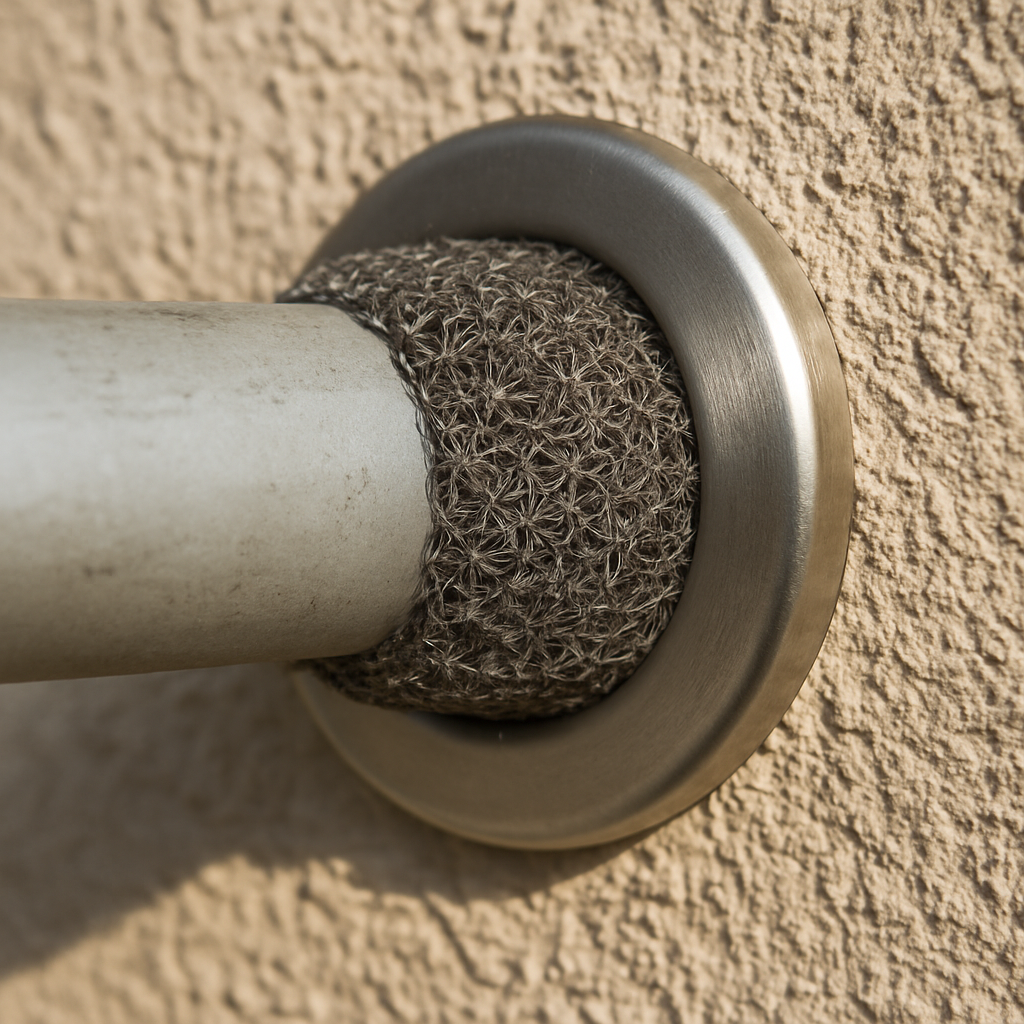
- ◆ Gnaw-resistant Xcluder fabric at the pipe penetration.
- ◆ Custom flashing at the soffit breach.
- ◆ Sealed bird blocks with vent-rated mesh.
The difference between the three prior treatments and the exclusion job was not effort or cost. It was scope. The job was not finished until the structure no longer allowed entry.
One note worth stating plainly: rodenticide secondary kill, the documented risk of raptors and domestic pets consuming a poisoned rodent and suffering toxic effects, is a real condition in Los Angeles neighborhoods. Barn owls and red-tailed hawks are common across the San Fernando Valley. An exclusion-first approach that does not rely on rodenticides eliminates this risk entirely. That is a practical outcome of building-based rodent control, not a sales point.
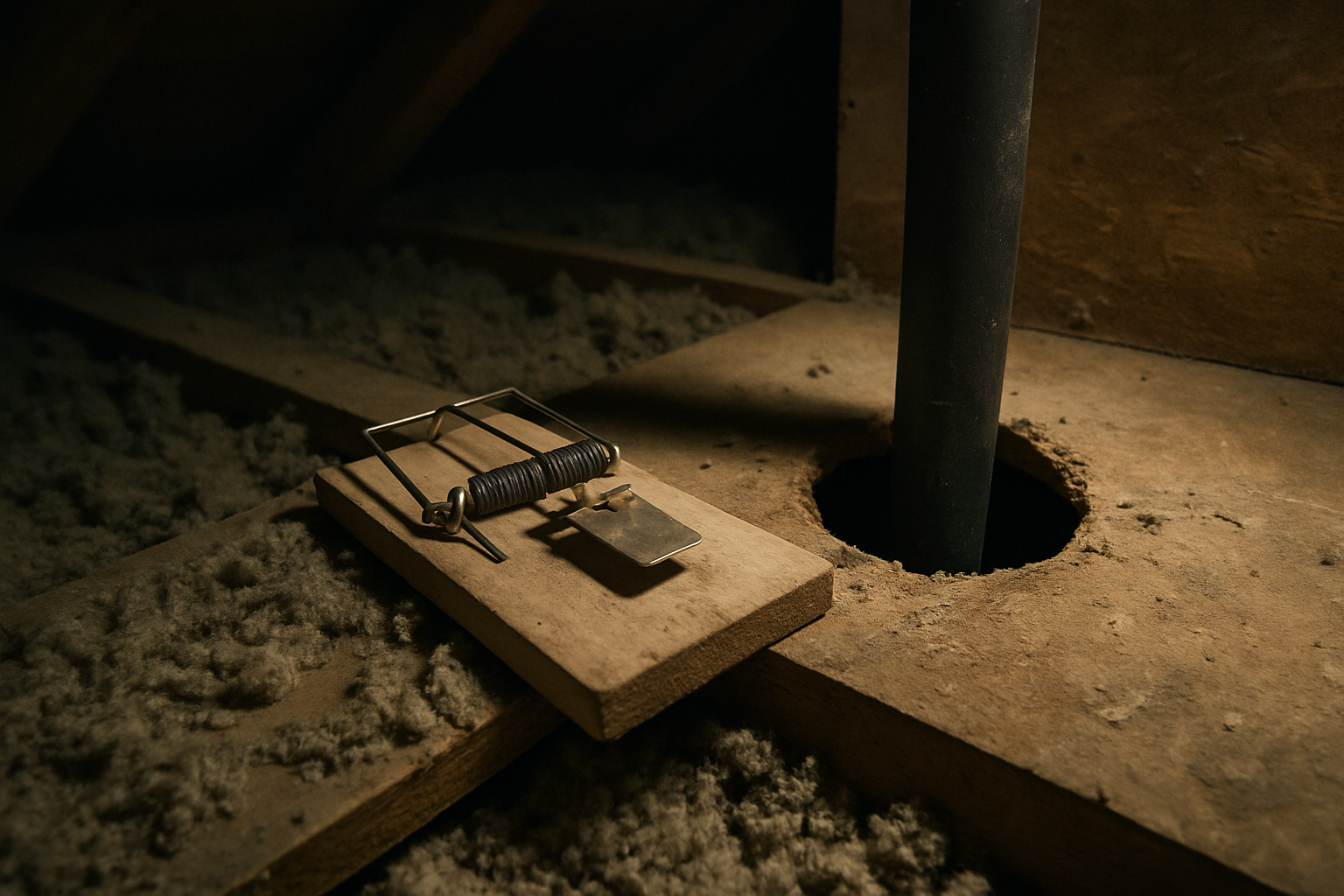
We Treat the Opening as the Problem. The Animal Is a Symptom
Every Rodent R Us job starts with one question: where are rodents entering?
Before any removal work is scoped, the inspection maps every confirmed and probable entry point on the property. That map drives everything else.
Here is how we handle the sequence: active population removal, when needed, is a preparatory step that makes sealing work more effective. It is not the end product. The job is not finished when the traps come up empty. The job is finished when every confirmed entry point is sealed with a material appropriate to that specific gap, and the findings are documented in writing.
Homeowners who have been through multiple treatment cycles sometimes ask: "How do I know this is different?" The answer is the written entry point map you receive at the end of the inspection. Every gap is named, photographed, and assigned a material specification before sealing begins. That documentation exists whether or not sealing is authorized the same day. You walk away knowing exactly what was found and exactly what was addressed, not a verbal summary at the curb.
The exclusion-first approach, a service model in which physical sealing of all confirmed entry points is the primary objective, produces a different outcome over time. Not because the crew works harder. Because the scope is correct from the start.
How Exclusion-First Sequencing Differs From Treatment-First Approaches
The sequence of work determines whether a rodent problem resolves or cycles.
A treatment-first model prioritizes removing the existing population. Traps are placed, bait is applied, animals are removed, and the service is considered complete. The structure is unchanged.
An exclusion-first model starts with the building envelope. Here is what that looks like in practice:
Full-perimeter inspection first. Every exterior elevation, every roofline zone, every foundation vent and pipe penetration. The inspection does not stop at what is visible from the ground. Roof rats in Los Angeles enter from above. The roofline inspection is the inspection that matters most.
Entry point documentation before any sealing. Photographs, measurements, and material specifications for each gap. This goes to the homeowner.
Material matched to opening type. Hardware cloth is not the right answer for a soffit gap. Xcluder fabric handles a pipe sleeve differently than a foundation vent. The material choice is determined by gap geometry and the gnaw pressure profile of the entry zone, not applied uniformly across all openings.
Active population addressed as part of the process. When a live population is confirmed, removal is coordinated with the sealing work, not treated as a separate service with its own timeline.
Written completion record. Every sealed point documented. Every finding noted. The homeowner has a record that shows what was addressed and where.
Trap-and-remove alone leaves the structure the same building it was before the service. Exclusion-first changes what the structure allows.
What Determines Whether a Rodent Problem Resolves or Returns
Three variables decide the outcome of any rodent service.
Entry points identified at every elevation
Ground-level inspection alone misses where roof rats actually enter Los Angeles homes. A service that does not include a roofline assessment is an incomplete assessment.
Materials that withstand sustained gnaw pressure
Expanding foam cures rigid but gets chewed through in days. Standard caulk cracks under LA's thermal cycling. Steel wool compresses and corrodes. Gnaw-resistant materials, hardware cloth, Xcluder fabric, copper mesh, hold because they are rated for sustained mechanical pressure. The material choice is not cosmetic. It determines how long the seal holds.
Whether the job ends at removal or at structural closure
A homeowner can have a clean trapping result and still have rats back in the attic within a month. The re-entry window closes when the openings close, not when the trap count drops to zero.
Each of these variables is within the scope of an exclusion-first job.
Here is a practical question to ask before booking any rodent service: "What specific entry points will you seal, and what materials will you use for each one?" If the answer names materials and locations, the service is exclusion-first. If it is vague, the scope ends at removal.
Rodent R Us dispatches crews across Los Angeles from Tarzana, covering zip codes including 91356, 91316, 91364, 91303, and 91335. The call we receive most often from homeowners in these neighborhoods is the same: "I already had this done. Why is it back?" The answer is always the same too.
Exclusion-First Service Available Across Los Angeles and the San Fernando Valley
Rodent R Us serves residential and commercial properties across the LA metro.
The crew dispatches from Tarzana and covers Encino, Woodland Hills, Reseda, Canoga Park, Sherman Oaks, Van Nuys, and surrounding communities. Both one-time exclusion jobs and ongoing retainer maintenance plans are available.
Inspection findings are always delivered in writing. Sealing work is always scoped to the structure, not applied as a uniform package regardless of property size or entry point count.
Understand the Difference. Then Book the Approach That Actually Holds
Rodent exclusion and extermination are not two names for the same service.
“Extermination addresses the animal. Exclusion addresses the building. One produces a result that ends when the next population finds the same open entry point. The other changes what the structure allows.
“If you have had rodent treatment before and the activity returned, the building was not changed. That is the explanation and the starting point.
Call Rodent R Us at (323) 805-0173 or email in**@*******us.com to schedule a full-perimeter inspection. You will receive a written entry point map before any sealing is authorized. That is how every job starts.
Frequently Asked Questions
Why do rats keep coming back after I already had pest control?
Because the treatment removed the animals but never changed the building. When entry points remain open, new rodents find the same gaps within weeks, sometimes days. This is population replacement, and it is the predictable outcome of any trap-only treatment applied without structural exclusion.
What is the difference between exclusion and extermination?
Extermination treats the animal by killing or removing the existing population. Exclusion treats the structure by physically sealing every confirmed entry point. Extermination addresses the symptom. Exclusion addresses the structural condition that allowed the infestation to begin.
How do I know your service is different from the treatments that failed?
You receive a written entry point map at the end of the inspection. Every gap is named, photographed, and assigned a material specification before sealing begins. That documentation exists whether or not sealing is authorized the same day, so you walk away knowing exactly what was found and exactly what was addressed.
Do you use rodenticides or poison?
Our exclusion-first approach does not rely on rodenticides. That eliminates the risk of rodenticide secondary kill, the documented risk of raptors and domestic pets consuming a poisoned rodent and suffering toxic effects. Barn owls and red-tailed hawks are common across the San Fernando Valley, so this is a practical outcome of building-based rodent control.
What should I ask before booking any rodent service?
Ask: "What specific entry points will you seal, and what materials will you use for each one?" If the answer names materials and locations, the service is exclusion-first. If it is vague, the scope ends at removal.
Ready to Get Started?
Contact our team today for a free consultation. Stop the cycle. One inspection, written findings, and a plan that actually stops re-entry.
Exclusion-first service across Los Angeles. Email in**@*******us.com
© 2026 Rodent R Us. Report every job Rodent Exclusion. Serving Greater Los Angeles.