
Landlord Rodent Compliance & Rental Property Exclusion - Los Angeles. California Civil Code §1941 requires a habitable, rodent-free unit. We produce the record that shows you acted.
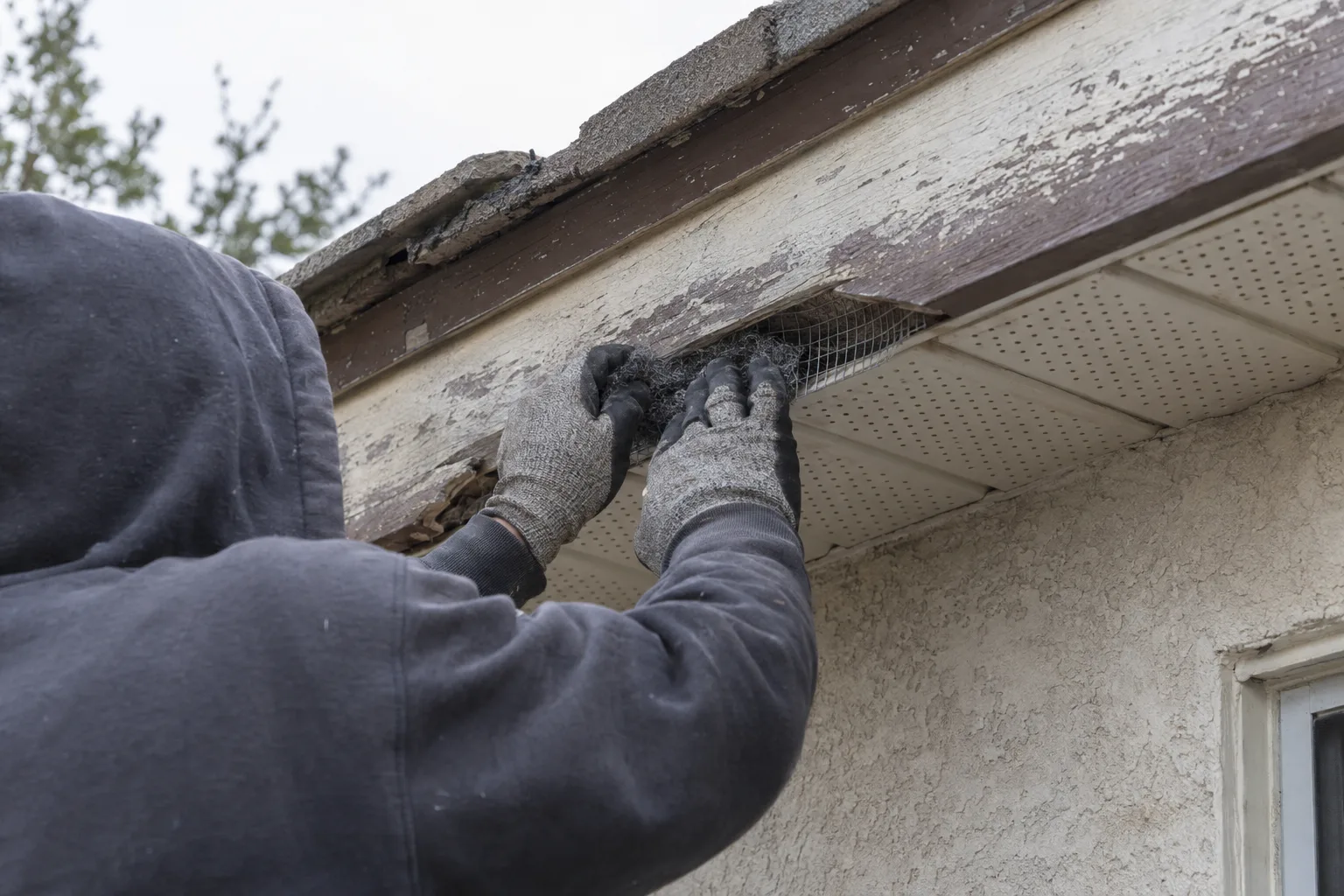
Physical exclusion work and the written compliance record, delivered out of the same service visit. When a tenant complaint creates a legal timeline, we produce the documented proof that you acted.
The job follows a specific sequence: inspection first, documentation of findings, sealing of confirmed entry points, written record delivered at completion.
The crew inspects the complete building envelope - roofline, attic access points, foundation vents, pipe penetrations, and any zone where tenants reported sound or visual evidence. Every opening is assessed for current activity before any sealing decision is made. UV detection locates urine trails in attic spaces not visible under standard lighting. Entry points are mapped by location.
Gnaw-resistant materials are matched to each gap type. Hardware cloth for larger foundation openings. Xcluder fabric for pipe sleeve gaps. Galvanized flashing at roofline junctions where tile or fascia has deteriorated. Each location is sealed to current exclusion standards.
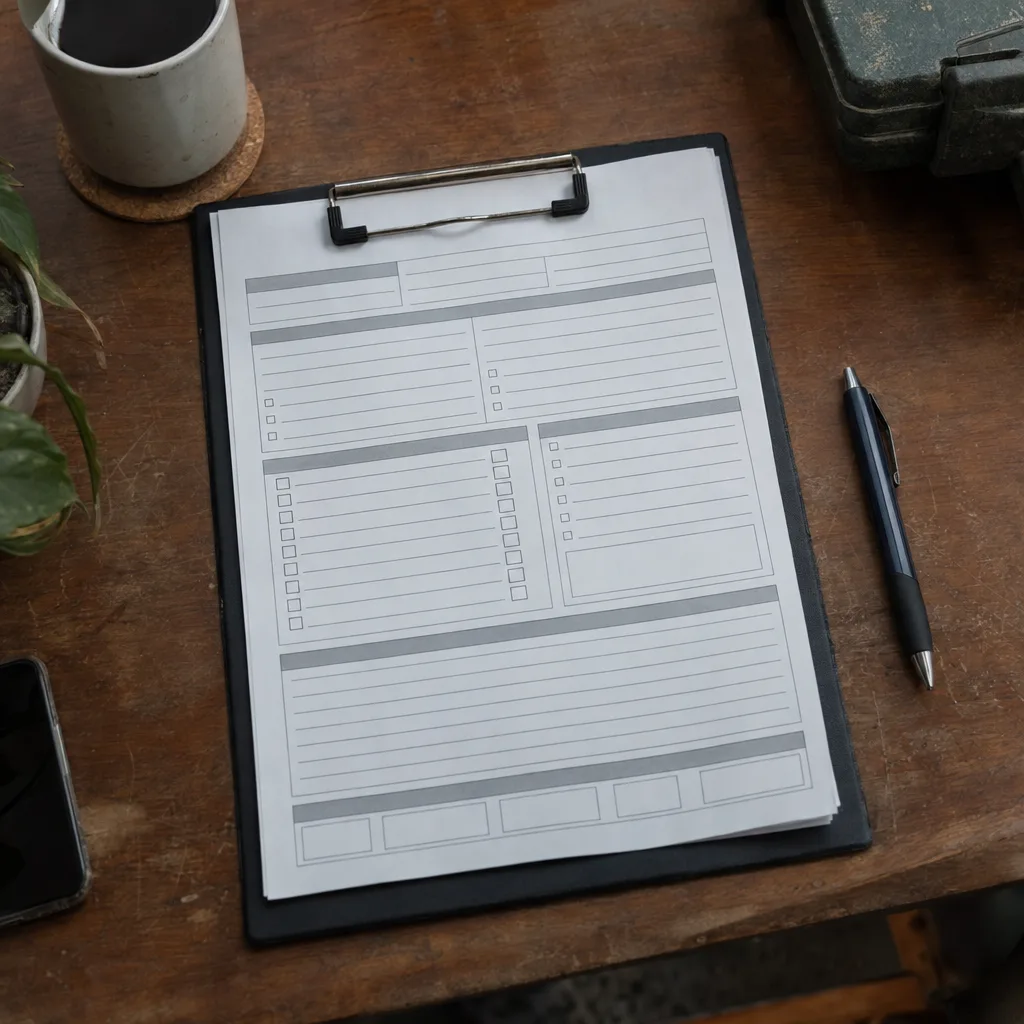
At job completion, the landlord receives a written service record. Not a verbal summary - a physical document. If the property is enrolled in a retainer plan, subsequent visit records are added to the file on each return.
One point relevant to California compliance: the warranty of habitability - the implied legal obligation in every California residential lease that the unit must remain safe and livable throughout the tenancy - is not satisfied by a service visit. It is satisfied by a service outcome. Our documentation records the outcome, not just the activity.
Note: This page describes Rodent R Us's service documentation practices. It does not constitute legal advice. Consult a licensed California attorney for guidance specific to your situation.
California Civil Code §1941 requires a habitable, rodent-free unit. We produce the record that shows you acted.
Demonstrates a technician visited. It does not demonstrate a substantive response - no entry points named, no materials logged, no structural cause addressed.
Names what was found, what was done, and the property condition after the work. A dated document you can show an inspector.
Landlord rodent compliance in California begins the moment a tenant puts a rodent condition in writing. That written notice starts a clock. California Civil Code §1941-1942 - the statutory standard requiring landlords to maintain habitable conditions - names a rodent-free unit as part of that obligation. The clock does not pause while you call around for quotes.
Acting is not enough. Demonstrating that you acted - with a documented record of what was done, when, and where - is what separates a defensible response from a verbal assurance that leaves you exposed if the tenant files with the LA Housing Department (LAHD), the City of Los Angeles agency that responds to habitability complaints and can issue formal orders to comply.
Rodent R Us delivers both. The physical exclusion work and the written compliance record come out of the same service visit.
Los Angeles combines year-round warm temperatures, dense urban landscaping, and a housing stock built largely before 1980. Older construction in Reseda, Van Nuys, North Hollywood, and Canoga Park means original foundation vents, aging soffits, and pipe penetrations that have never been sealed to current exclusion standards.
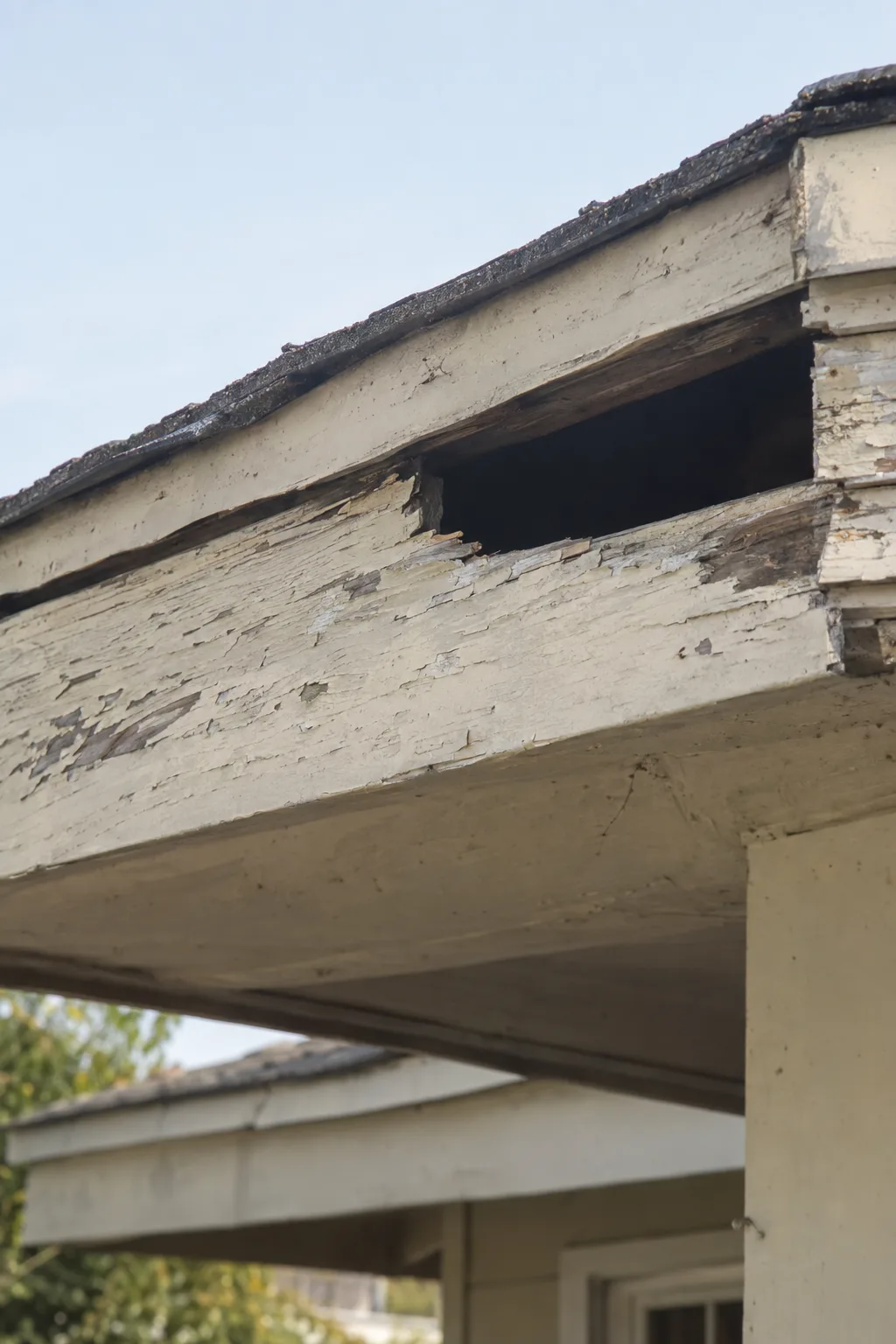
Roof rats - Rattus rattus, the dominant species in Los Angeles - travel along utility lines and citrus tree branches before dropping onto rooflines. They enter through Spanish tile bird blocks, open soffit gaps, and fascia board deterioration. Tenants in units below those attics hear the scratching. Then they write the notice.
The Rodent R Us crew dispatches from Tarzana, directly inside the Valley rental corridors where this combination of building age, species behavior, and tenant density produces a steady volume of habitability notices.
A general pest control visit with two snap traps placed in the attic can feel like a resolved situation. It is not. Three weeks after that kind of visit, a tenant may file with LAHD. The landlord has a service receipt - but no documentation showing which entry points were identified, what materials were applied, or whether the structural cause of the infestation was addressed.
That receipt demonstrates that a technician visited. It does not demonstrate a substantive response.
An LAHD inspection that finds active rodent signs still present can produce a notice to comply and a documented record of inadequate response. That is a different position than having no record at all - and in many ways a harder one to recover from.
What the property needed was a full entry point audit across the attic roofline and the building's foundation vents, physical sealing of every confirmed gap using gnaw-resistant material, and a written record of all findings and work completed. That record is what demonstrates compliance under California law. An inspector can tell the difference between a service visit and a corrective action.
When landlords call us after a notice to comply, we complete the exclusion work and provide a structured service record. That documentation becomes part of the compliance response file. The situation resolves. It resolves faster and at lower total cost when the right service is scheduled before the LAHD inspection rather than after.
Every landlord exclusion job from Rodent R Us includes a written service record at completion - included by default, not available on request. That record documents the entry points identified, the materials applied at each location, the zones inspected, and the date of service. It is structured to function as a corrective action documentation record - a written record of the specific work performed in response to a habitability complaint - not just a proof-of-visit receipt.
If LAHD follows up, you have a dated document naming what was found, what was done, and what the property condition is after the work. That is the difference between a landlord with a defensible paper trail and one with a phone memory of a conversation.
This documentation is part of every landlord exclusion job. No separate request required.
Documentation begins at inspection - not after the work is done. The service record includes:
Entry points identified - location-specific, with the zone (roofline, foundation, soffit, pipe penetration) named for each.
Materials applied - gnaw-resistant fill type noted per opening, not a generic "sealed" notation.
Structural conditions noted - fascia deterioration, vent screen failure, open bird blocks - anything the crew observed beyond confirmed entry points.
Active population indicators - evidence of current activity at time of inspection (droppings, grease trails, nesting material, gnaw marks) documented before work begins.
Date and scope of service - the complete visit record, structured for compliance file use.
This is a different document than a pest control invoice. It is a structured corrective action record. That distinction matters when an inspector or tenant attorney asks what the landlord did and when.
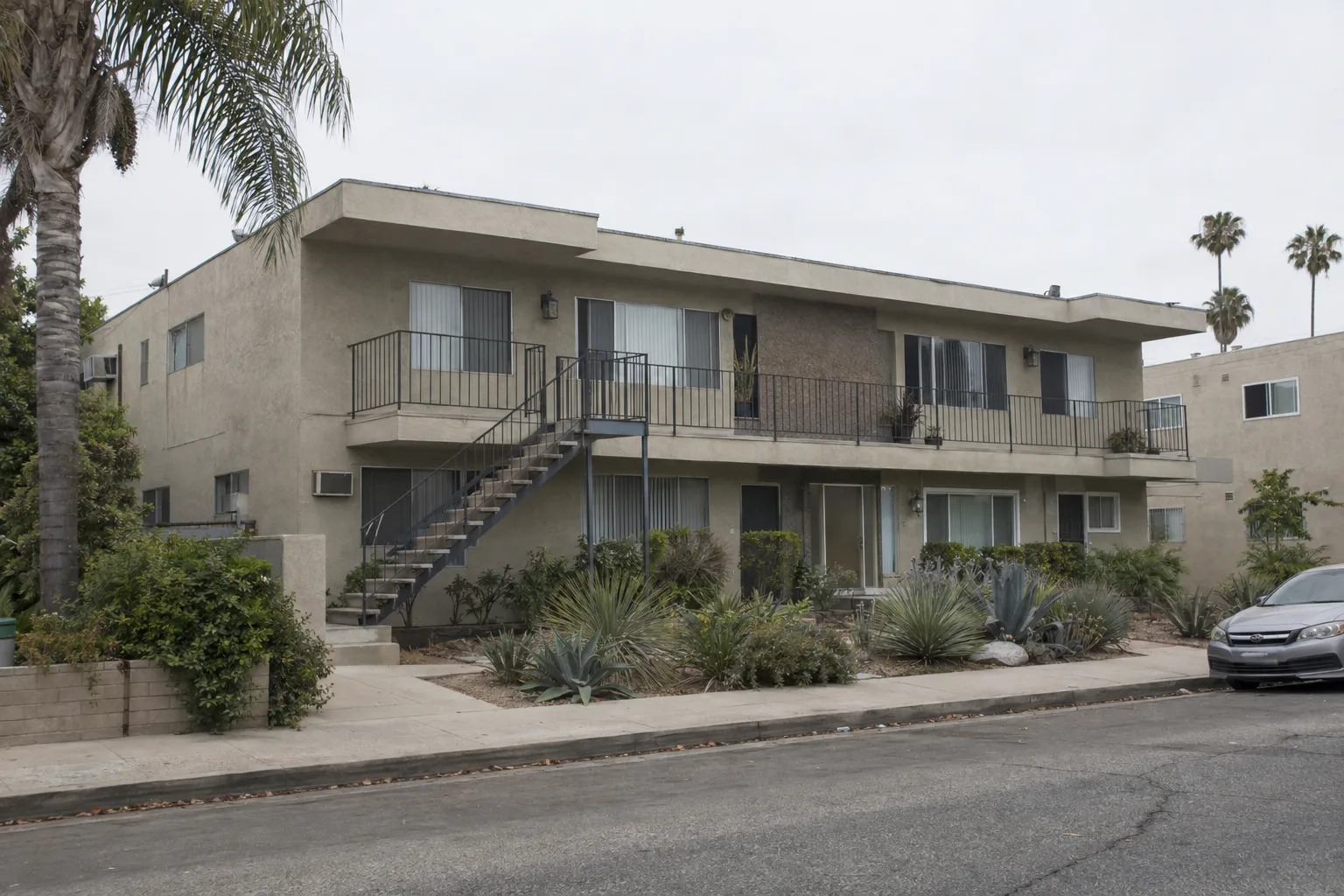
Rodent R Us serves rental properties throughout Los Angeles from the Tarzana dispatch location at 5336 Mecca Ave. The crew reaches the high-density rental markets where habitability notices are most common. Multi-unit residential buildings, single-family rentals, and mixed-use properties are all within range.
Every landlord exclusion job includes a written service record at completion, by default. No separate request is required and there is no add-on fee for the documentation.
Entry points identified by zone, materials applied per opening, structural conditions observed, active population indicators, and the date and scope of service. It is structured as a corrective action record, not just proof of visit.
We prioritize compliance-driven service requests and can typically schedule within the week. Provide the unit address and the date the written complaint was received when you call.
Before. The situation resolves faster and at lower total cost when the exclusion work and documentation are complete ahead of the LAHD inspection rather than after a notice to comply.
No. This describes Rodent R Us's service documentation practices only. It does not constitute legal advice. Consult a licensed California attorney for guidance specific to your situation.
Tenant complaints require a timely, substantive, documented response. Contact our team today for a free consultation - provide the unit address and the date the written complaint was received.
The written record is ready at job completion. We document everything.
© 2026 Rodent R Us. Report every job Rodent Exclusion. Serving Greater Los Angeles.