
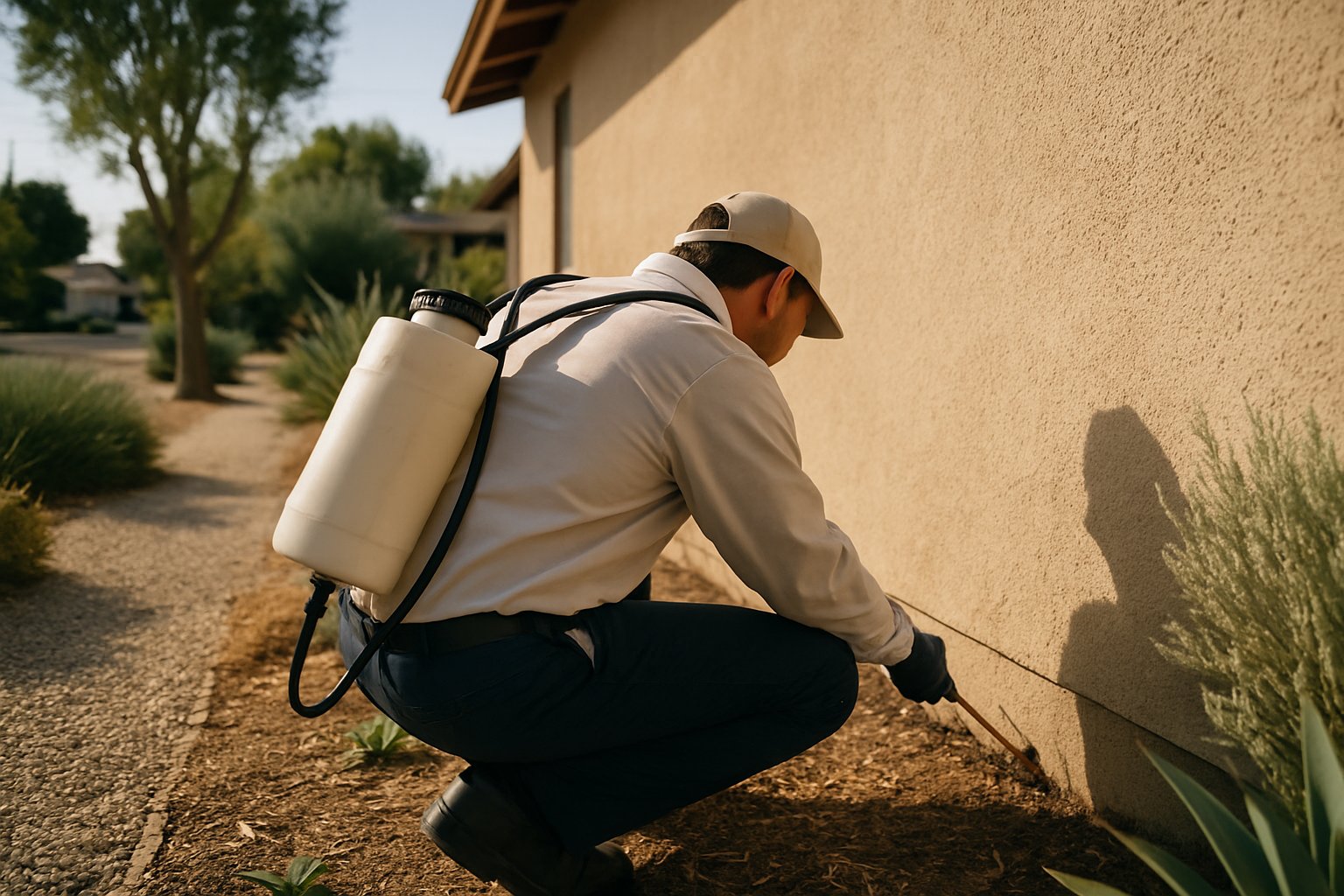
Rodent Activity in San Fernando Valley Homes
Seasonal Patterns, Wildfire Displacement, and the Rainy Season Surge
Three drivers push rodents into Valley homes. None of them follow a calendar.
A seasonal briefing for Valley homeowners
Rainy season flooding, fall temperature shifts, and wildfire displacement each create their own surge. Educational structure, scoped to observable local conditions in the Valley, not hypothetical scenarios.
This page names all three pressure drivers, explains what triggers each one, and shows how to time a response before a surge establishes a foothold inside the structure.
Rainy Season Surge
Flooded ground burrows push rodents into structures within 48 hours of sustained rain.
Fall Intrusion
Cooling nights shift roof rat entry zones lower and wider across the Valley.
Wildfire Displacement
Destroyed habitat redirects populations into residential neighborhoods within weeks.
Rodent Pressure in the San Fernando Valley Runs on Three Separate Clocks
Rodent activity in the San Fernando Valley does not follow a seasonal calendar.
Homeowners commonly expect rodent intrusion to follow a winter-only pattern. Seal up in October, relax in April. That logic applies in markets with hard winters. It does not describe what happens here.
Los Angeles sustains active rodent populations year-round. There is no cold-weather die-off. No natural off-season during which a property rests safely. What the Valley does have is three distinct pressure drivers, each with its own timing, its own ecological mechanism, and its own entry pattern. A homeowner who knows only one of them is repeatedly caught off guard by the other two.
This page names all three. It explains what triggers each one, what it looks like at a residential property, and how to time a response before the surge establishes a foothold inside the structure.
Why the San Fernando Valley Is Uniquely Exposed to All Three Drivers
The Valley sits at the intersection of every rodent pressure condition Los Angeles produces.
Tarzana, Encino, Woodland Hills, and Reseda aren't just warm suburban neighborhoods. They're positioned at the edge of Topanga State Park and the Santa Monica Mountains. That means direct wildlife corridor exposure on the western and northern sides of the Valley.
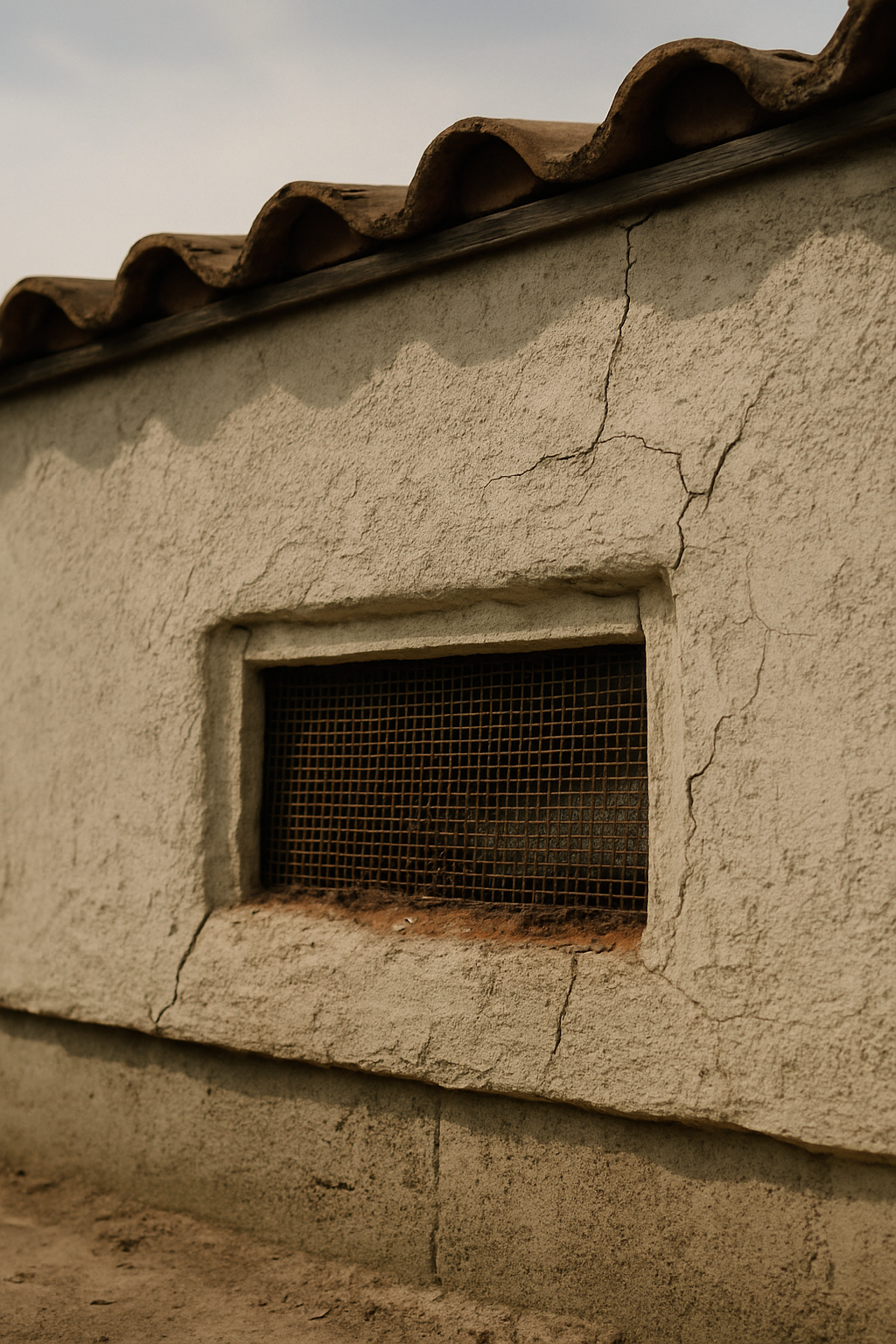
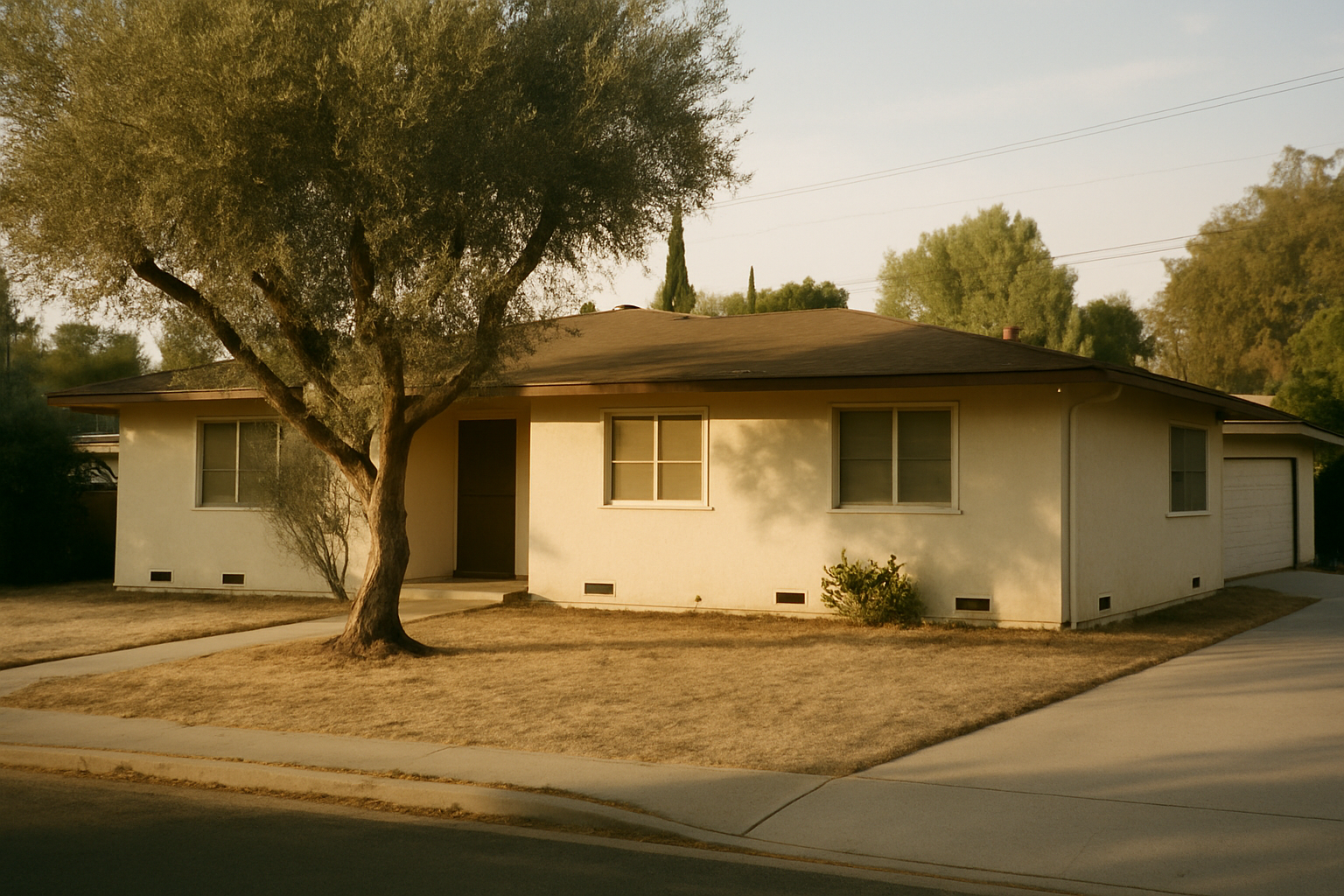
At the same time, the housing stock is aging. Homes built between 1950 and 1975 in Canoga Park, Reseda, and Van Nuys carry foundation vents that were built for a finite lifespan, not indefinite use. Sun-damaged soffits, open bird blocks under Spanish tile, failing pipe sleeves. These are the structural conditions that every pressure driver exploits.
Add lush landscaping, citrus trees, avocado, fig, ivy ground cover, and you have ideal rodent harborage pressed directly against structures. Rats in San Fernando Valley homes move between landscaping and structure easily because the two are rarely separated by more than a few feet. The Valley doesn't just experience rodent activity. It generates the conditions that make every surge more effective.
Understanding the Three Pressure Drivers
Each driver is a documented, predictable event, not a random occurrence.
El Niño Rainfall Floods Ground Burrows and Pushes Rodents Into Structures
El Niño rainy season refers to Los Angeles's above-average rainfall years, concentrated between January and March. During these periods, something specific happens underground.
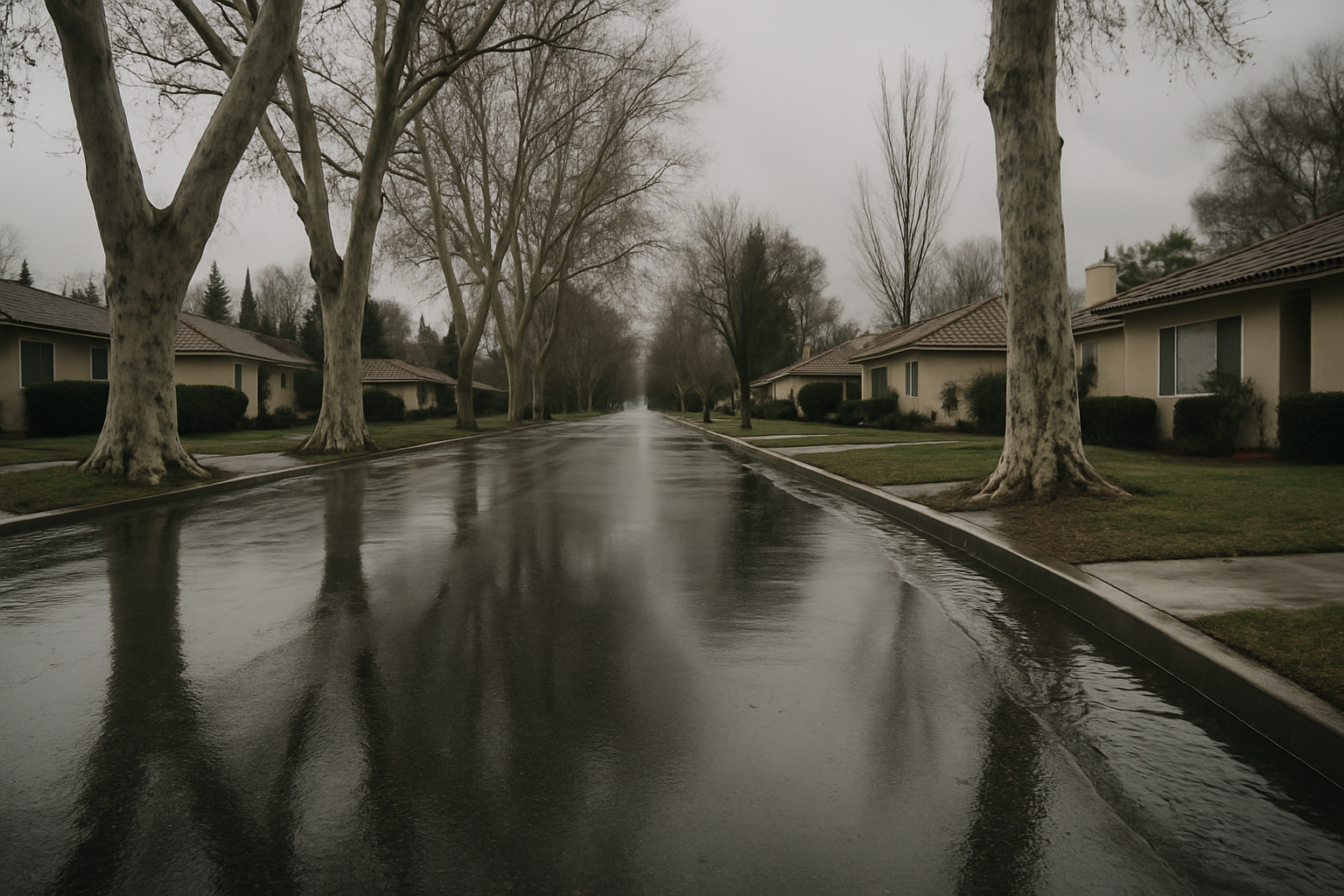
Norway rats and other ground-burrowing species construct below-grade burrow systems. These systems hold up well until they don't. Sustained rainfall saturates soil quickly in LA's clay-heavy terrain. Burrows flood. Rodents abandon them within days of sustained saturation.
Ground burrow displacement, the ecological response to flooded below-grade habitat, produces rapid entry attempts on nearby structures. A property that had no prior rodent signs can receive its first active intrusion attempt within 48 hours of a significant rain event. The rodents aren't moving because they're curious. They're moving because their habitat no longer exists.
The key distinction from regular rodent activity: the scale is compressed. Displacement surges don't trickle in over weeks. They arrive fast, in numbers, driven by a single environmental event. A foundation vent that held under normal pressure may not hold during a rainy season surge. The behavioral intensity is different.
El Niño years, which Southern California has experienced with increasing frequency, amplify this effect sharply. During the 2023 rainy season, LA County recorded increases in rodent-related service calls during January and February. The pattern is repeatable and predictable.
What to watch for: First signs after a multi-day rainfall event. Below-grade entry points, foundation vents, crawl space access panels, low pipe penetrations, are the priority zones. New activity that appears immediately after significant rain is a reliable indicator of displacement pressure.
Fall Temperature Drops Shift Roof Rat Entry Zones Across the Valley
Los Angeles has a mild climate. Nighttime temperatures in October and November still drop. Not dramatically, but enough.
Fall intrusion pattern describes the behavioral shift outdoor rodent populations make as nighttime temperatures decline. Roof rats, Rattus rattus, the dominant species in LA, have been active in citrus trees, palm crowns, and exterior landscaping all summer. As nights cool through October, they begin probing structures for warmer resting locations.
Here's what makes this distinct from summer perimeter activity: the entry point priority changes. In summer, roof rats primarily use citrus canopy overhang to access rooflines. In fall, they probe lower and wider. Soffit gaps that go unnoticed all summer become active entry points. Garage door threshold gaps that posed low risk in August become exploited by November.
The fall intrusion pattern in LA is not as dramatic as a cold-climate winter migration. It's subtle. A property might see seasonal rodent activity in the San Fernando Valley shift from one zone to another without the homeowner realizing the species' behavior has changed. This is why fall is the right window for a full-perimeter inspection, not just a check of the zones that showed activity in summer.
What to watch for: New sounds in a different part of the structure than where you noticed summer activity. Scratching in walls rather than the attic. Garage and lower soffit activity beginning in October or November. These point to fall intrusion, not a new infestation.
Wildfire Destroys Habitat and Redirects Rodent Populations Into Residential Neighborhoods
When fire destroys rodent habitat, displaced populations move into the nearest residential neighborhoods within weeks. This produces a rapid increase in entry attempts on structures in adjacent communities, a pattern documented in Tarzana and Woodland Hills following the 2025 Eaton and Palisades fires.
Post-wildfire displacement surge is not a slow drift. It's a compressed, high-volume event. Rodents that lived in open habitat, canyon edges, chaparral, undeveloped hillside land, lose that habitat completely when fire moves through. They relocate. The nearest available shelter is residential construction.
The communities along the northern and western edges of the San Fernando Valley sit directly adjacent to the corridors where wildfire displacement most commonly moves. Homes in Tarzana and Woodland Hills that had no prior rodent history began receiving calls in February and March 2025 as displaced populations from fire-affected zones established pressure on residential structures.
What makes this driver distinct from the others: it affects properties with no prior rodent history. A homeowner who has never dealt with rodent activity in the San Fernando Valley has no established inspection baseline. They don't know which entry points exist because they've never needed to know. Post-fire displacement finds those gaps fast.
The surge period typically lasts six to twelve weeks following a significant fire event. Activity concentrates in the weeks immediately after the fire, then gradually stabilizes as displaced populations establish new territory.
What to watch for: Sudden activity with no prior history. Properties bordering canyon land or undeveloped hillside lots adjacent to fire corridors.
Ready to Get Started?
Rodent R Us is based in Tarzana, inside all three pressure zones described here. We serve Tarzana, Encino, Woodland Hills, Calabasas, Reseda, Canoga Park, Van Nuys, West Hills, and surrounding communities.
Contact us today for a free consultation. Timing an inspection to the right pressure window produces a better outcome than waiting.
Call (323) 805-0173 or email in**@*******us.com · © 2026 Rodent R Us