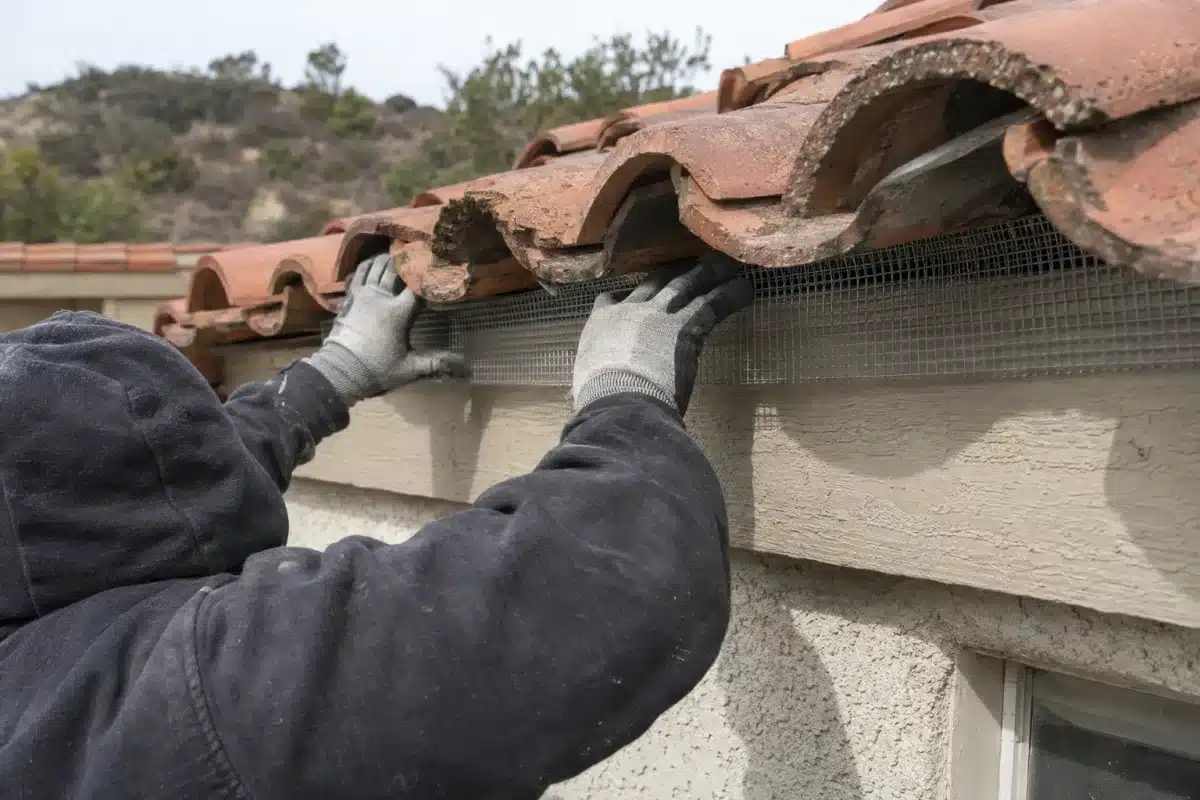
Dead rodent removal in Los Angeles requires more than retrieval. We locate the carcass, sanitize the site, and document what we found - including how the animal got in.
Reaching properties across Santa Monica, the Westside, and the LA metro.
The smell hits before you find it. A dead rat or mouse inside a wall, attic, or crawl space decomposes fast in Santa Monica's coastal warmth. Retrieval is step one. Sanitization of the contaminated zone and a written record of where the animal entered - that is the full job.
Learn more about California rental law rodent exclusion in Sherman Oaks
Learn more about rodent inspection Los Angeles in Los Angeles
A carcass inside a structure creates a contamination zone - urine, feces, and secondary pests at the site. Here is how a Rodent R Us removal is structured, step by step.
We do not guess at location. We trace the odor zone methodically - attic bays, wall cavities, crawl space sections - and identify the carcass position before opening any surface. In Santa Monica's older Spanish and Craftsman bungalows, dead rodents frequently end up in wall voids between plaster and exterior sheathing.
Roof rats in Los Angeles can carry secondary pests - fleas and mites that abandon a carcass as it cools. Removal requires PPE and a controlled approach so those secondary pests do not spread further into the structure. We do not simply grab and bag.
Most dead rodents we recover in Santa Monica died from rodenticide placed by a previous pest company. The rat consumed the bait, retreated into the structure, and died in a wall or attic bay. Exclusion avoids this entirely - sealed buildings do not need bait, and bait that works always creates a retrieval problem.
Once the carcass is removed, the contamination zone is treated. Rodent urine and droppings carry pathogens. We do not leave a cleaned-out cavity and call it done - the site is sanitized and documented in the written findings before we leave.
Every removal call is also an inspection opportunity. If a rat died inside your Santa Monica property, it entered somewhere. We assess the full perimeter and document what we find - the same process standards that apply to any exclusion job, regardless of property size.
You receive written findings at the end of every job - carcass location, contamination scope, sanitation performed, and any identified entry points. For landlords operating under California rental law, that documentation matters.
This is the sequence we see regularly in Santa Monica and the surrounding Westside.
A homeowner near Ocean Park notices a sharp, ammonia-heavy odor coming from behind a bedroom wall. They call a pest company. The company places bait. Three weeks pass. The smell gets worse before it fades. By the time it clears on its own, the contamination zone inside the wall cavity has been sitting for weeks - droppings, urine, decomposition residue, and secondary pests all present in the same void.
On inspection: one roof rat carcass in the wall cavity between the exterior stucco and interior plaster, a gap at the fascia board on the north roofline, and an open bird block on the south-facing eave. The bait had worked - but the animal died in the structure, not outside it. The entry points were still open. A second population was already active in the attic.
We removed the carcass, sanitized the cavity, and sealed both roofline entry points in one visit. The written findings documented the full scope - carcass location, contamination zone, sanitation performed, and entry points closed. The homeowner had an odor problem. The underlying problem was an open building.
Dead rodent removal in Los Angeles is not a one-step job. It is a retrieval, a sanitation, and an inspection.
- Rodent R Us, Los Angeles Field Operations
The carcass is evidence that the building had an opening. We document the full scope - retrieval site, contamination zone, and every identified entry point - before we close the job.
Santa Monica's coastal climate keeps temperatures mild year-round, which means rodent activity does not slow in winter the way it does in inland areas. Properties near Palisades Park, the North of Montana neighborhood, and the streets around the Third Street Promenade all share dense tree canopy - overhanging ficus and mature palms give roof rats continuous aerial access to rooflines.
We trace the odor zone methodically. In Santa Monica's pre-war bungalows and 1960s apartment blocks, dead rodents end up in wall voids, attic bays, and sub-floor cavities. We identify the exact location before cutting or opening any surface.
Fleas and mites abandon a cooling carcass. Removal is done under controlled conditions so those secondary pests do not scatter into living areas. PPE is non-negotiable at this step.
The area around the carcass - insulation, framing, surrounding cavity - is sanitized and documented. Rodent urine soaks into porous materials and carries pathogens. Retrieval without sanitation leaves the problem partially unresolved.
Every confirmed and probable entry point is mapped. The written findings document what we found, where, and what was sealed - a record that stays with the property and supports landlord compliance under California law.
The job sequence matters. Skipping steps leaves the contamination zone untreated and the entry points open.
We start by narrowing the odor zone - which room, which wall, which section of attic. In Santa Monica's mix of older stucco construction and 1970s apartment buildings, wall cavities and attic bays between units are the most common carcass sites. We use the odor intensity, airflow patterns, and access points to pinpoint location before any surface is opened.
If access requires cutting drywall or lifting insulation, we document the location and scope in writing before work begins. No surprises on scope.
The carcass is bagged and removed under proper PPE. The surrounding cavity - insulation, framing contact points, any adjacent droppings - is treated. Secondary pest activity at the site is addressed as part of this step, not as an add-on.
Odor neutralization is applied to the cavity. This reduces residual smell from decomposition residue left in porous materials, which is the part most retrieval-only services skip entirely.
After removal, we assess the full perimeter for entry points. Every dead rodent we recover inside a structure entered through a physical opening. That opening is still there after the carcass is gone. We identify it, document it, and seal it - or flag it clearly in writing if separate exclusion work is needed.
You receive the written findings document before we leave the property.
Dead rodent removal is a retrieval, a sanitation, and an inspection - not three separate calls.
When a rat dies inside your structure, it creates three distinct problems. The carcass itself, the contamination zone of droppings, urine, and decomposition residue around it, and the open entry point it used to get there in the first place. Address one without the others and the job is unfinished.
In Santa Monica specifically, the mild coastal climate means decomposition is faster than it would be in a drier inland neighborhood. A carcass in a wall cavity during summer can reach full decomposition odor within 48 to 72 hours. The smell will fade on its own eventually - but the contamination remains, and the entry point stays open.
Most dead rodents we recover in Los Angeles died from rodenticide. The bait worked. The animal retreated into the structure and died where it felt safe - inside a wall, in the attic insulation, under the sub-floor. That is a predictable outcome of bait-first pest control, and it creates a retrieval problem every time.
Exclusion eliminates the reason bait gets placed at all. Sealed buildings do not need ongoing bait programs - and they do not leave carcasses inside your walls.

Rodent R Us dispatches from Tarzana and reaches Santa Monica, the Palisades, Brentwood, and the broader Westside regularly. With 15 or more crew members available, we schedule inspections and removal jobs without the multi-week delays that come with a limited crew calendar.
Same-week inspection availability means you are not waiting out the odor while a booking window fills. Call (323) 805-0173 to schedule.
Common questions about dead rodent removal in Santa Monica and the Los Angeles area.
The odor is distinct - a sharp, ammonia-heavy smell that becomes sweet and sickly as decomposition progresses. It concentrates in one area rather than spreading uniformly. In Santa Monica's older stucco homes, the smell often appears to come from inside a wall or ceiling, strongest near a specific room or corner. If it intensifies over 48 to 72 hours before fading, a carcass inside the structure is the most likely cause.
Almost always because rodenticide was used. A rat that consumes anticoagulant bait does not die immediately - it takes days, and the animal retreats to where it feels safe, which is inside the structure. If a pest company placed bait at your property, dead rodents inside walls are a predictable outcome. This is one of the reasons exclusion-first service avoids bait dependency entirely.
Not always. If the carcass is in an accessible attic bay or crawl space, retrieval does not require cutting. If it is inside a wall cavity, access often does. We identify the location before opening anything, document the scope in writing, and give you a clear picture of what access the retrieval requires. We do not cut first and explain later.
Sanitization of the contamination zone is part of how we do dead rodent removal - it is not an optional add-on. The area around the carcass carries pathogens in droppings and urine residue. Retrieval without sanitation leaves the contamination in place. We treat the full affected zone and document it in the written findings.
Yes - entry point assessment is part of every removal job. If the entry points can be sealed in the same visit, they are. If the scope of exclusion work needed is larger than a single-visit seal, we document all identified openings in the written findings and provide the full picture so you can decide on next steps. The building assessment does not cost extra.
The odor will eventually fade. The contamination zone and the open entry point will not resolve on their own.
Call Rodent R Us or email us to schedule your inspection. Same-week availability is standard. You receive written findings - carcass location, sanitation performed, entry points identified - before we leave the property.
✉ in**@*******us.com • Serving Santa Monica, the Westside & Greater Los Angeles
Tell us where you found evidence and we'll get back to you, often the same day.
Or ask for a call back using the form below ↓