
Displacement Surge Assessed. Structure Sealed. New Entry Blocked.
Post-fire inspection scoped for properties with no prior rodent history.
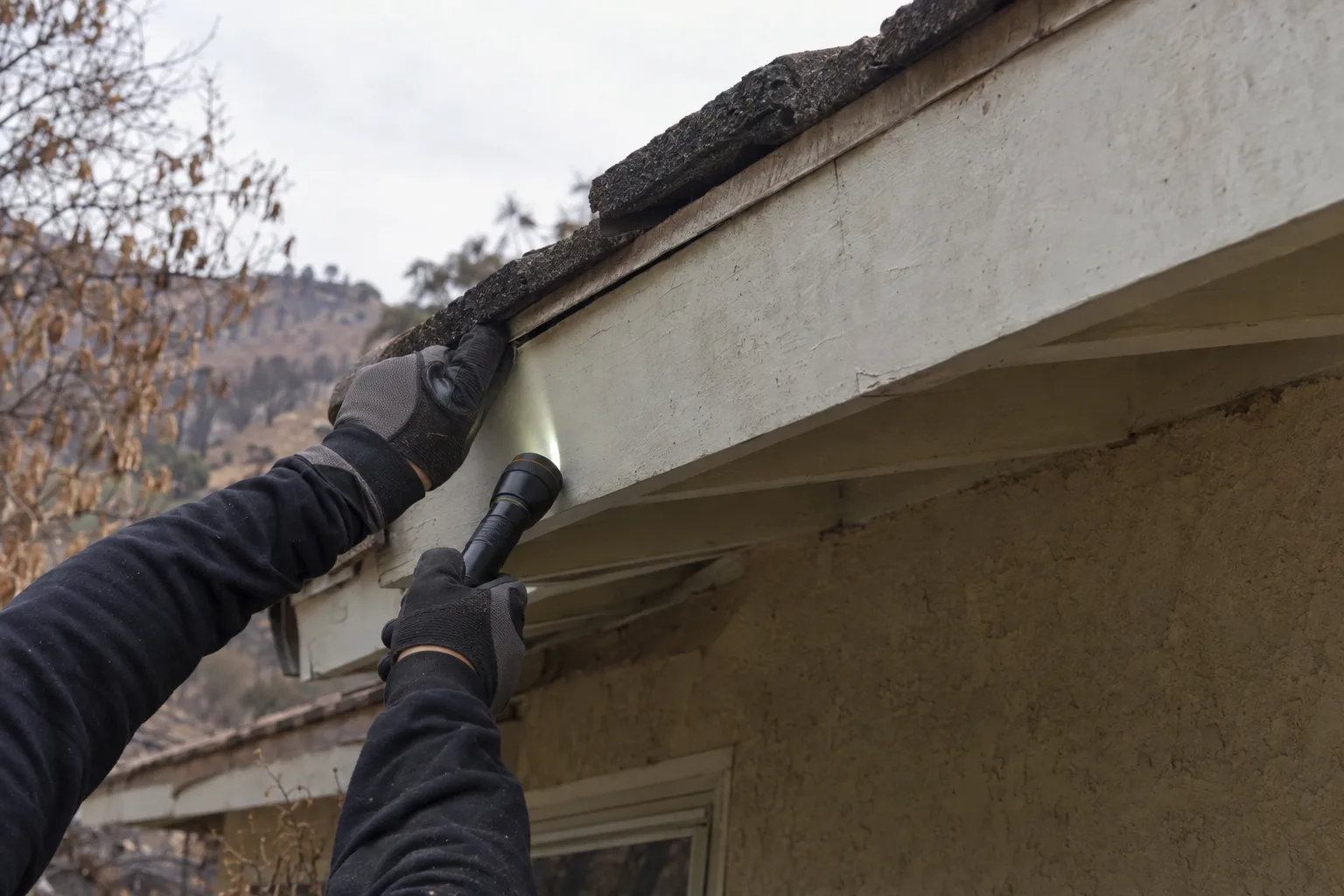
Post-fire inspection scoped for properties with no prior rodent history.
When fire moves through a section of Los Angeles, rodent populations relocate.
Wildfire rodent displacement, the documented movement of rodent populations out of fire-destroyed habitat into surrounding neighborhoods, follows a predictable ecological pattern. Burrows collapse. Food sources burn. Travel corridors disappear overnight.
Displaced populations move outward, fast, into the nearest residential zones with food, shelter, and structural gaps to probe.
Post-fire rodent pressure doesn't look like a typical infestation. No old droppings. No established nesting. Just new pressure against a structure rodents have never visited before.
The displacement surge, the compressed period of heightened entry attempts on structures adjacent to burned habitat, typically arrives within two to four weeks of a fire event. Properties with clean inspections six months ago can develop active entry attempts before the smoke fully clears.
That timeline matters. Rodents that probe a gap once return. If the gap holds, they move on. If it gives, they establish. The window between first probe and established entry is where exclusion work makes the difference.
The January 2025 fires were among the most ecologically disruptive events in recent Los Angeles history.
The Eaton fire burned through Altadena and spread into the foothills above Pasadena. The Palisades fire moved through coastal and canyon habitat on the westside. Both events destroyed significant rodent habitat, burrow infrastructure, ground cover, tree canopy, across corridors that had sustained established populations for years.
Those populations had to go somewhere.
Communities in the San Fernando Valley and adjacent areas saw the displacement surge arrive in waves. Tarzana sits directly within the geographic zone that received displaced wildlife from both fire corridors. Woodland Hills, Encino, West Hills, and Calabasas, all part of the urban-wildland interface, the residential zone bordering open undeveloped land, experienced increases in rodent complaint volume in the weeks following both fires.
The urban-wildland interface is already the highest-pressure zone for rodent activity in greater Los Angeles. The Topanga State Park boundary runs along the western edge of Tarzana. Under normal conditions, homes along that corridor face elevated roof rat pressure year-round. Post-fire displacement added a second species layer: ground-dwelling populations from burned chaparral habitat that were not previously present in residential areas.
This matters for how an inspection is scoped. A standard exclusion assessment assumes some baseline of prior activity. A post-displacement assessment, a structured inspection scoped for properties in or near fire-affected corridors, starts from zero and looks for evidence of new probing on a structure with no prior rodent history at all.
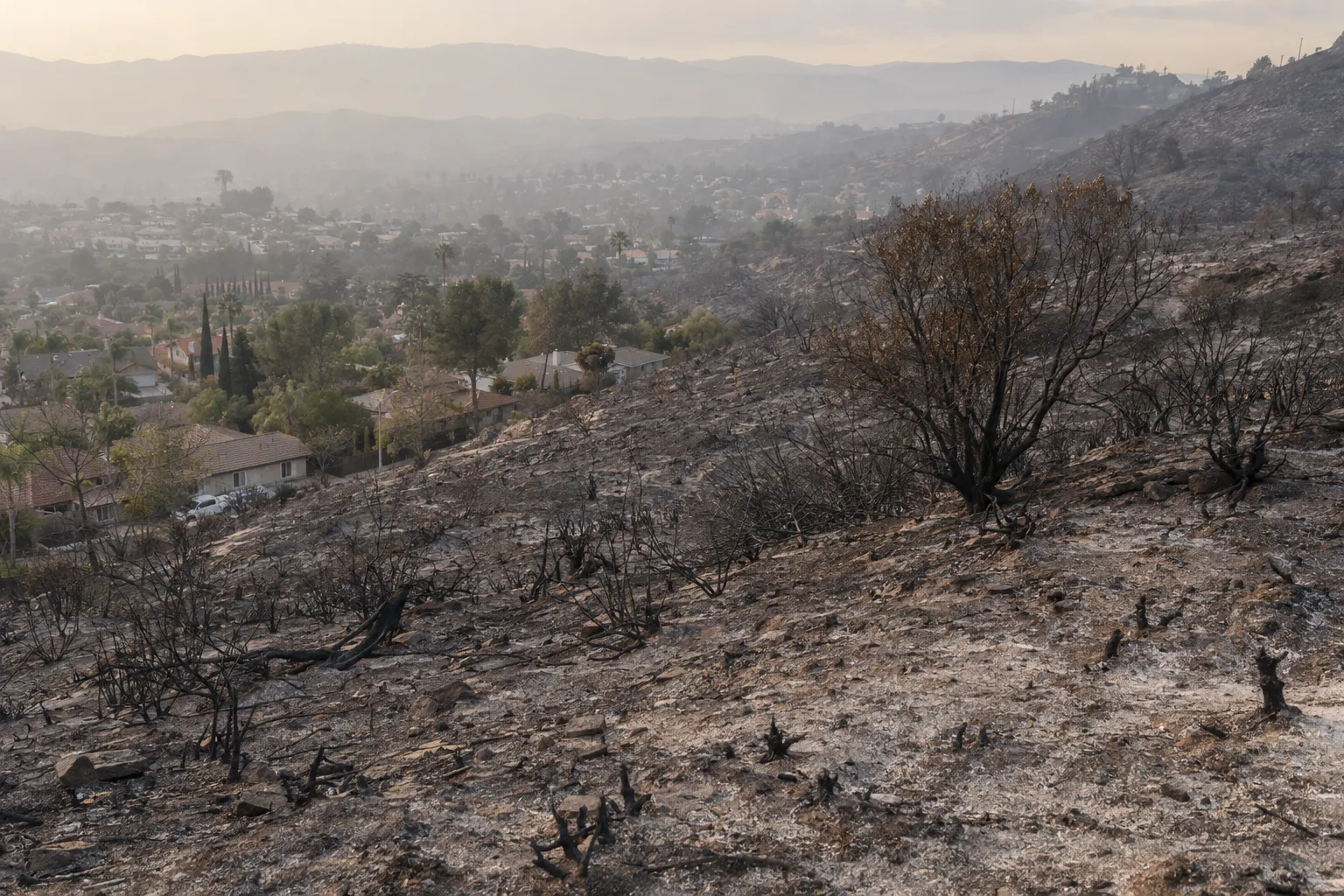
A post-displacement assessment is not the same as a standard exclusion inspection.
Standard exclusion inspections look for active entry, established populations, and prior nesting signs. They assume some history of rodent activity on the property.
A post-fire property assessment works differently. It starts with the assumption that the structure may have no prior rodent history, then looks for evidence of new pressure: fresh gnaw marks on intact surfaces, new soil disturbance near foundation vents, probing activity at roofline gaps showing no weathering or prior contact.
Here's how we handle the post-fire scope: we document the baseline condition of every vulnerable zone before looking for activity. That baseline record matters. It separates pre-existing vulnerability, old gaps rodents haven't used yet, from new entry attempts that postdate the displacement event.
That distinction is useful to the homeowner. It tells them whether the property was already exposed before the fire or whether the fire changed the pressure against it. Those are two different situations with two different scopes of work.
We also adjust for species. Fire displacement from chaparral habitat introduces ground-burrowing species, primarily Rattus norvegicus and some native species, to neighborhoods that previously saw only roof rat activity. A post-fire inspection checks both the roofline and the below-grade perimeter, because the species profile may have changed.
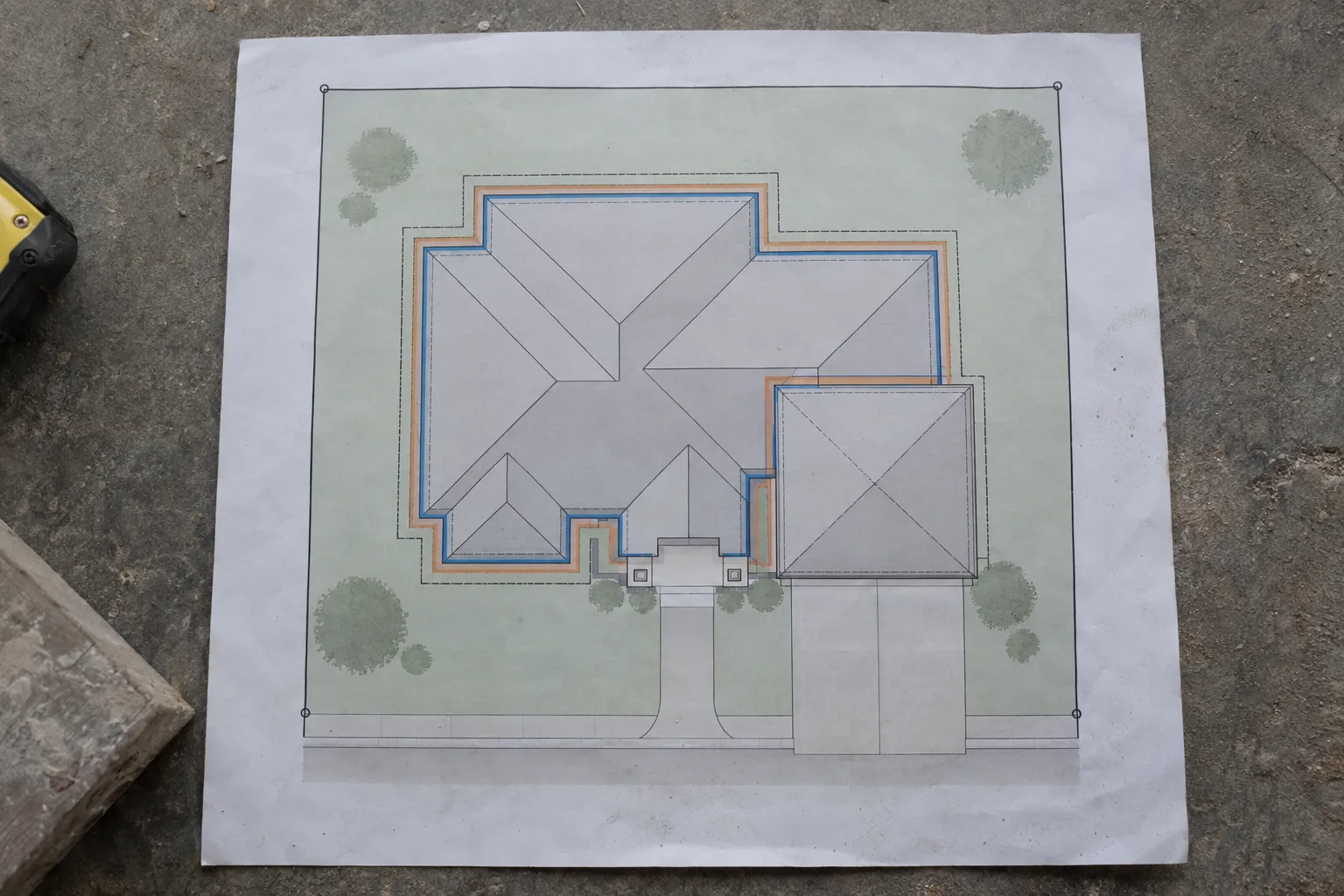
Every vulnerable zone is documented before a single seal is applied, separating old exposure from new post-fire pressure.
Every zone is documented before a single seal is applied.
Our post-fire assessment follows a specific sequence designed for properties with potential new entry pressure rather than established infestation.
Every bird block, soffit gap, and eave junction is documented by condition, intact, damaged, or showing contact evidence. Fresh gnaw marks are distinguished from weathered damage by color and edge texture.
Foundation vents, utility penetrations, and block wall gaps are assessed for fresh soil disturbance, debris staging, and new gnaw pressure against the screen or flashing.
We enter the attic only after the exterior baseline is established. New dropping patterns, staging material, or disturbed insulation are documented by location and estimated age.
Evidence at each point is categorized by species indicator, aerial entry pattern (roof rat) or ground-level probing (Rattus norvegicus or displaced ground species). This determines the sealing material and method used at each location.
Every confirmed entry attempt is labeled on a location map with evidence type, species indicator, and seal applied or recommended.
The sequence matters because post-displacement probing is often multi-species. Sealing roofline gaps while leaving ground-level vents open doesn't close the property. We complete all zones before we close the job.
Odor concentration mapping, UV urine trail detection, and gnaw mark aging are part of the assessment when interior access suggests more than surface-level probing. Ground-level entry points are probed for fresh soil displacement below the surface, a displacement indicator not visible from standing position.
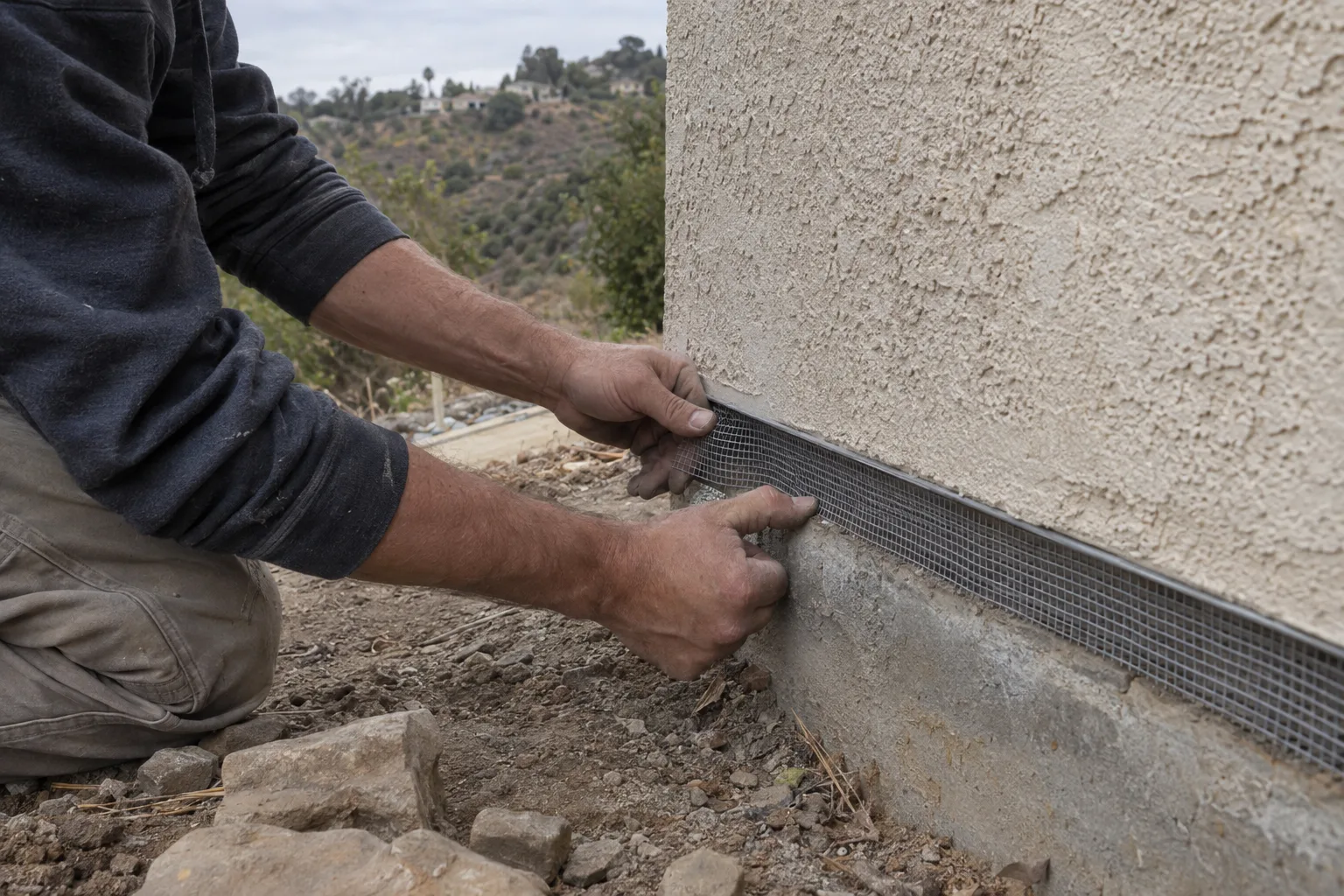
Commercial-grade galvanized hardware cloth rated to 19-gauge or heavier is applied at foundation vents with pull-away frames. Xcluder fabric fills irregular gaps at pipe penetrations and utility entries. Bird blocks receive mortar repair with a mechanical steel mesh backing. Every material is matched to the gap type and rodent pressure indicator at that specific location.
The homeowner receives a written location map, a list of all materials applied by location, and a description of the evidence observed at each sealed point. If post-fire pressure warrants a follow-up inspection, the scheduling window for that return visit is included in the documentation.
The homeowner had lived there eleven years and never called a pest control company.
I was dispatched to a property on the western edge of Tarzana, a 1971 ranch-style home with a concrete block foundation and a Spanish tile roof. The homeowner had heard scratching above the bedroom ceiling twice in one week. Never before.
We started at the roofline. Three open bird blocks along the north-facing eave showed fresh gnaw pressure on the surrounding mortar, a clean, light-colored scrape pattern consistent with recent activity, not old damage. One had been widened slightly from the inside edge.
From the roofline, we moved to the perimeter. A damaged galvanized foundation vent on the east side, original to the 1971 construction, had a gap at the lower left corner where the screen frame had pulled away from the stucco. Fresh debris was packed against the outside edge. Not nesting. Staging material. Rodents push loose material against a gap as part of entry testing.
Two more points along the rear utility penetration showed fresh soil disturbance consistent with ground-level probing. Different species. Different entry profile than the roofline activity.
Five new entry attempts on a property with zero prior rodent history. All of it dated, by physical evidence, to the post-fire period.
We mapped every point, documented the species indicators at each location, and sealed all five before a second visit was needed. The homeowner received a written location map with each sealed point labeled by evidence type and material applied.
Rodent R Us dispatches from Tarzana, inside the displacement corridor.
We serve properties across the communities that received the most direct post-fire rodent displacement pressure following the 2025 Eaton and Palisades fires: Tarzana, Woodland Hills, West Hills, Encino, Calabasas, Canoga Park, Reseda, and communities along the Topanga Canyon corridor. We also reach westside neighborhoods that received Palisades fire displacement, including areas along the 405 corridor.
The entry window closes faster than most homeowners expect.
Rodent populations displaced from burned habitat don't pause. They probe. If your property has gaps, and most Los Angeles homes do, the time between first contact and established entry can be measured in days, not months.
Call Rodent R Us at (323) 805-0173 or email in**@*******us.com to schedule a post-fire property assessment. Tell us your neighborhood and when you first noticed any activity. We'll confirm your location, explain what the inspection covers, and get you on the schedule. The inspection produces a written findings report. You'll know exactly what was found, where, and what was done about it.
© 2026 Rodent R Us. Report every job Rodent Exclusion. Serving Greater Los Angeles.