
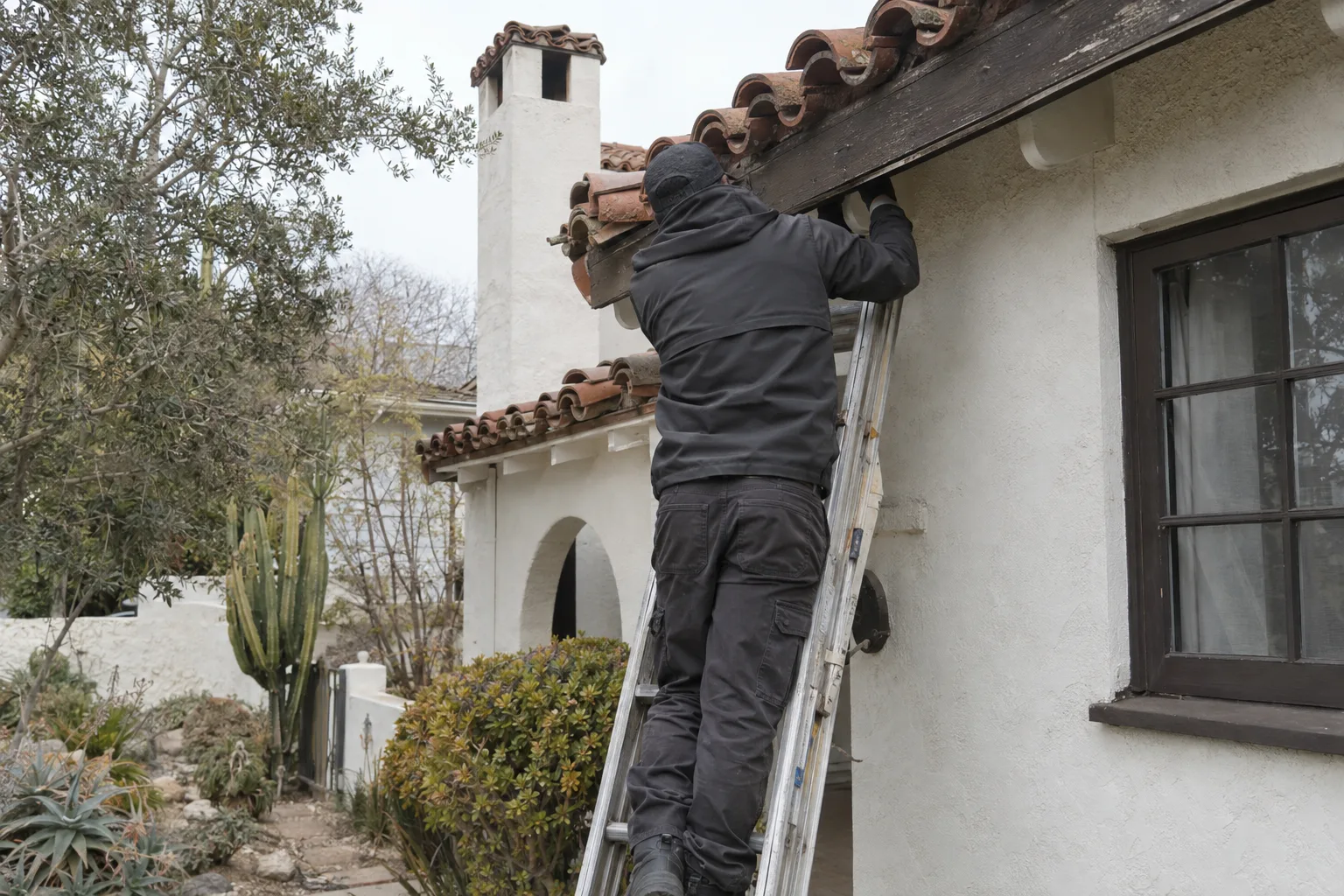
Know Exactly What You Have Before Deciding What to Do About It
Attic, crawl space, roofline, and perimeter, all checked in one systematic assessment.
A rodent inspection tells you the scope of the problem before you spend a dollar on the solution.
You found something. A dropping on the kitchen shelf. A scratch sound directly above the bedroom ceiling. One small gnaw mark on the cabinet frame near the pipes.
That single piece of evidence tells you something is there. It does not tell you whether it is one animal or a population. It does not tell you where they are getting in, how long they have been there, or how much of the property is involved. Acting without those answers usually means addressing the symptom without the cause.
A professional rodent inspection, a systematic examination of the full property interior and exterior, bridges that gap. It is the difference between a guess and a plan.
Los Angeles has a rodent species that requires a different inspection scope than most of the country.
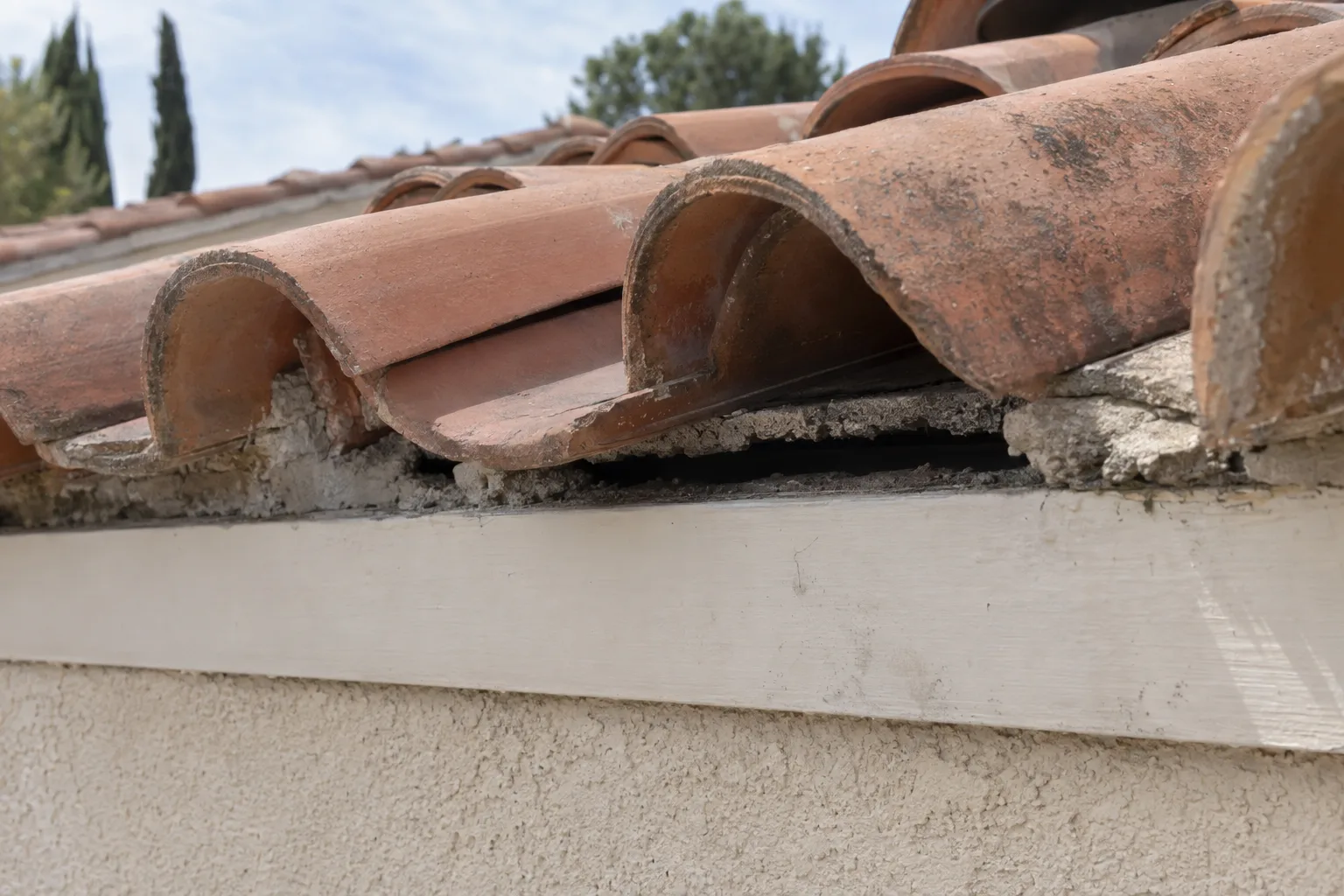
Roof rats (Rattus rattus), the dominant rodent in Los Angeles, do not burrow. They climb. They travel along utility lines and tree branches, drop onto rooflines, and enter through open bird blocks under Spanish tile. A standard rodent inspection written for a cold-weather market checks the foundation and the basement. It misses the entire zone where LA's rats actually operate.
The attic is almost always the first interior space to show activity, not the kitchen. By the time droppings appear near the pantry, the population has typically been nesting above the ceiling for weeks.
In Los Angeles, and specifically in the older neighborhoods of the San Fernando Valley, an inspection has to cover the roofline, the soffit line, every open bird block under the tile, and the utility entry points where power and cable lines attach to the building. That scope comes from working in these neighborhoods daily.
One piece of evidence raises questions that only a full-property inspection can answer.
A homeowner calls after finding a single dropping on a pantry shelf. They have already cleaned it up. They are not sure if it was a rat or a mouse. They did not see anything move.
Here is what a one-zone search misses. Roof rats do not live in pantries, they nest in attics. The dropping appeared because an animal traveled down through a wall void to reach a food source, then traveled back. The nest is above the ceiling. The entry point is on the roofline. Neither of those is visible from inside the kitchen.
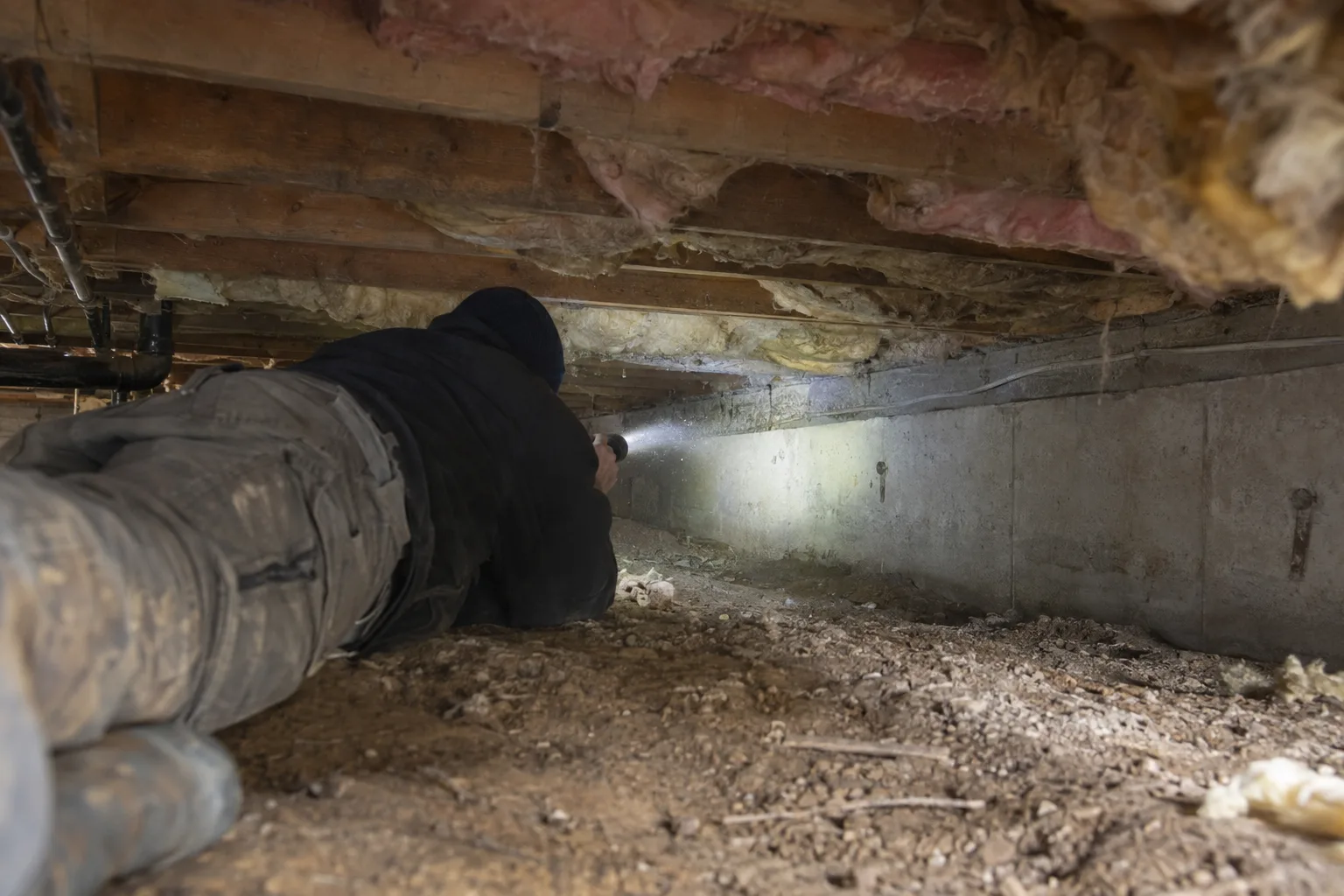
When we inspect a property after a call like that, we work from the exterior in. We check the roofline first, every potential gap along the eave line, every open bird block, every point where the fascia board has pulled away from the soffit. Then we access the attic and check for nesting material, dropping density, urine staining patterns, and any structural damage from gnawing. We check the crawl space and foundation vents. We walk the perimeter and document harborage conditions, any feature in the yard that provides shelter or food. Dense ground cover, citrus trees within jumping distance of the roofline, unsecured compost, all of it goes in the record.
Dropping identification, distinguishing rodent feces by size, shape, and location to determine species and activity level, is part of that process. Roof rat droppings are roughly half an inch, pointed at both ends. Mouse droppings are smaller and tapered. Norway rat droppings are larger, blunt-ended, and rarely found in attics. Species determination matters because it tells us exactly where to focus the inspection and what the most likely entry zones are.
By the time the inspection is done, the homeowner knows what they have, where it is, how long it has probably been there based on evidence age, and what a complete seal job would need to cover.
Every confirmed entry point is documented by location before we leave the property.
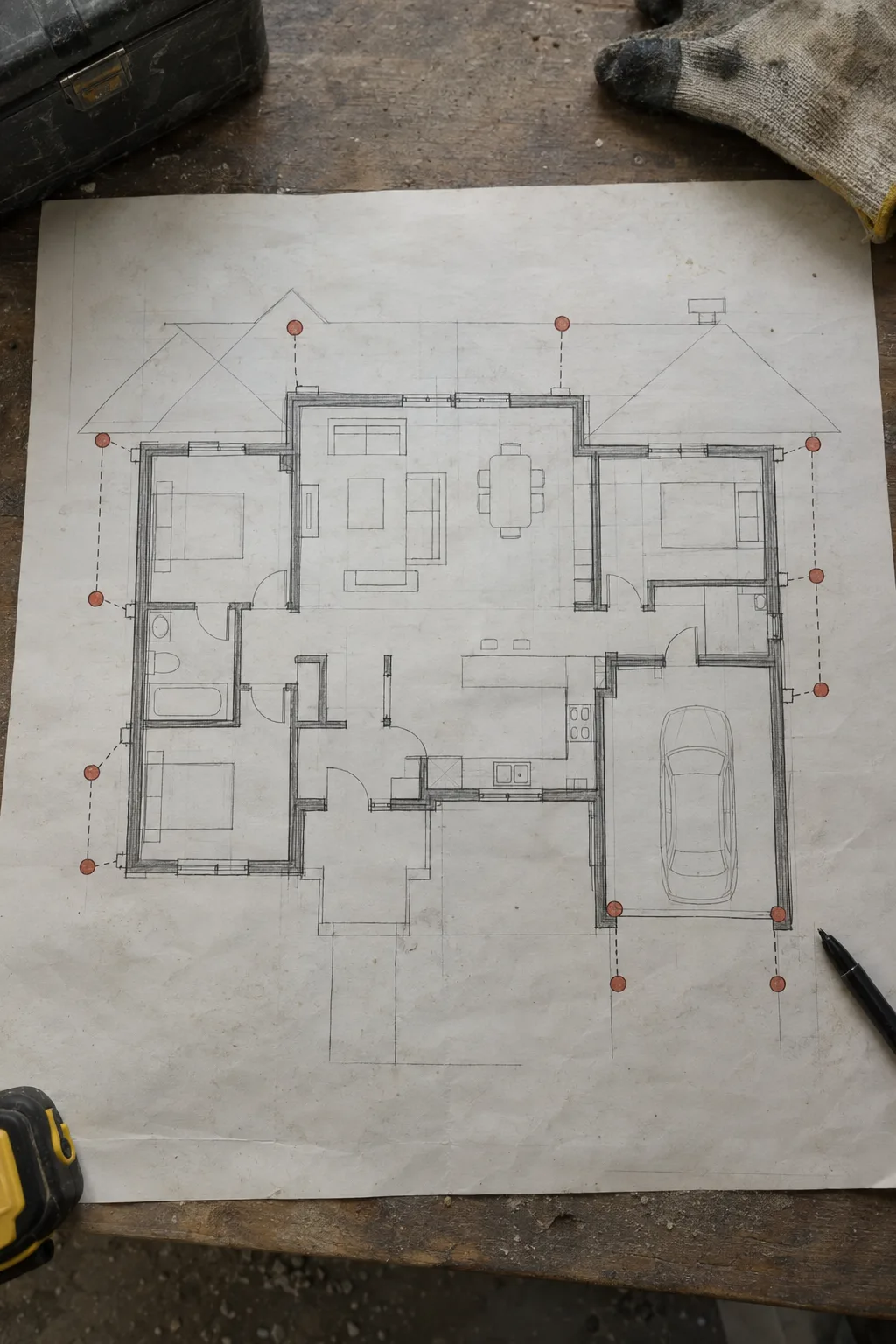
The written entry point map, a documented record of every confirmed or probable opening where rodents are entering, is a deliverable, not a formality. Every confirmed sign is recorded by zone. The attic findings are written up separately from the perimeter findings. Active signs are distinguished from prior infestation evidence. The homeowner receives specific findings, not a general assessment.
That document has real use. It is what makes a scope estimate legible. It tells you which entry points are high-priority and which are secondary. It is what you can hand to anyone doing future work on the property so they know what has already been identified.
Our inspection runs from the roofline to the foundation, nothing skipped, everything recorded.
Every open bird block under Spanish tile, every point where the fascia board has separated from the soffit, every utility attachment point where cable or power lines enter the building.
Nesting material, dropping density and age, urine staining under UV light, gnaw marks on rafters and HVAC components, insulation condition.
Screen condition, gaps at pipe sleeves, block wall voids, any breach where the building meets the ground.
Wall-level evidence along baseboards, behind appliances, inside cabinet toe kicks, and near any visible pipe penetrations.
Grease trails, the dark oily smear marks left by repeated rodent travel along surfaces, along the foundation line; harborage conditions including ground cover density, compost proximity, and any citrus or fig trees within branch distance of the building.
That is the full scope. All of it in one visit.
The documentation from a Rodent R Us inspection is structured for use, not filed and forgotten.
The crew begins outside. The roofline is checked first, from the ground and with ladder access at each corner. Entry points are marked on a rough property sketch as they are confirmed. Inside the attic, dropping locations are noted by quadrant, nesting material is photographed, and any gnaw damage is recorded by location and estimated age.
Active signs and confirmed entry points are logged into a written findings summary during the inspection itself, not reconstructed from memory afterward. Species determination is noted based on dropping size and location. Harborage zones outside the structure are documented with the same specificity as interior findings.
At the end of the visit, the homeowner receives the written findings, entry point map, active sign log by zone, species identification, and a notes section covering harborage conditions that increase pressure on the property. A scope estimate for exclusion work follows from that document.
With 15 or more crew members available across Los Angeles, same-week inspection appointments are not held to a single technician's calendar. Scheduling moves around your availability.
Rodent R Us books rodent inspections across Los Angeles from its Tarzana base.
We serve homeowners throughout the San Fernando Valley, Tarzana, Encino, Woodland Hills, Reseda, Canoga Park, Van Nuys, and North Hollywood. We also cover Sherman Oaks, Studio City, and Calabasas. If you are in the Los Angeles metro and have found evidence, we can get a crew to your property this week.
A full property assessment covers the roofline, attic interior, crawl space, foundation vents, interior zones, and exterior perimeter in a single visit. Time on site depends on the size of the property and how many access points need ladder inspection, but you receive documented written findings before the crew leaves.
You receive a written entry point map, an active sign log organized by zone, species identification based on dropping size and location, and a notes section covering harborage conditions around the property. A scope estimate for exclusion work follows from that document.
One piece of evidence tells you something is present, but not the scope. Roof rats nest in attics and travel down through wall voids to reach food. The dropping you found may be far from the nest and entry point. A full-property inspection is what tells you what you actually have.
Yes. Dropping identification distinguishes species by size, shape, and location. Roof rat droppings are roughly half an inch and pointed at both ends. Mouse droppings are smaller and tapered. Norway rat droppings are larger, blunt-ended, and rarely found in attics. Species determination guides where we focus the inspection.
With 15 or more crew members available across Los Angeles, same-week inspection appointments are common. Scheduling moves around your availability. Call (323) 805-0173 with your property address and a description of what you found.
Contact our team today for a free consultation. A rodent inspection from Rodent R Us ends with a written property assessment.
Call (323) 805-0173 or email in**@*******us.com to schedule. Have the property address ready and a brief description of what you found and where. You will have documented findings before you commit to any work.
© 2026 Rodent R Us. Report every job Rodent Exclusion. Serving Greater Los Angeles.