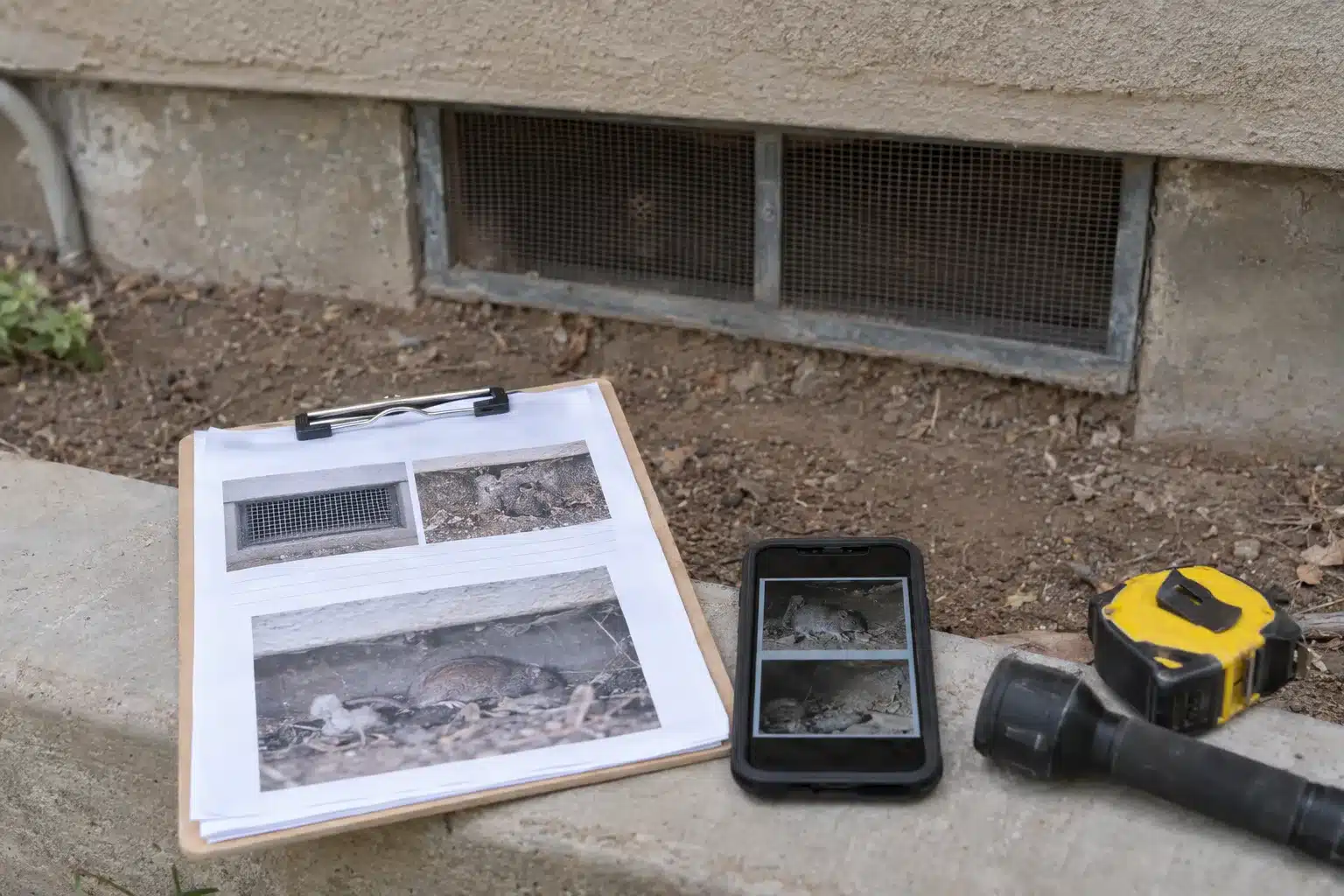
Buying a home in Reseda or the West San Fernando Valley? A rodent inspection before close of escrow tells you exactly what you're buying into. We document every entry point, every sign of activity, and every repair needed — in writing, with photos.
Tarzana Dispatch
Serving Reseda & West Valley
What We Do
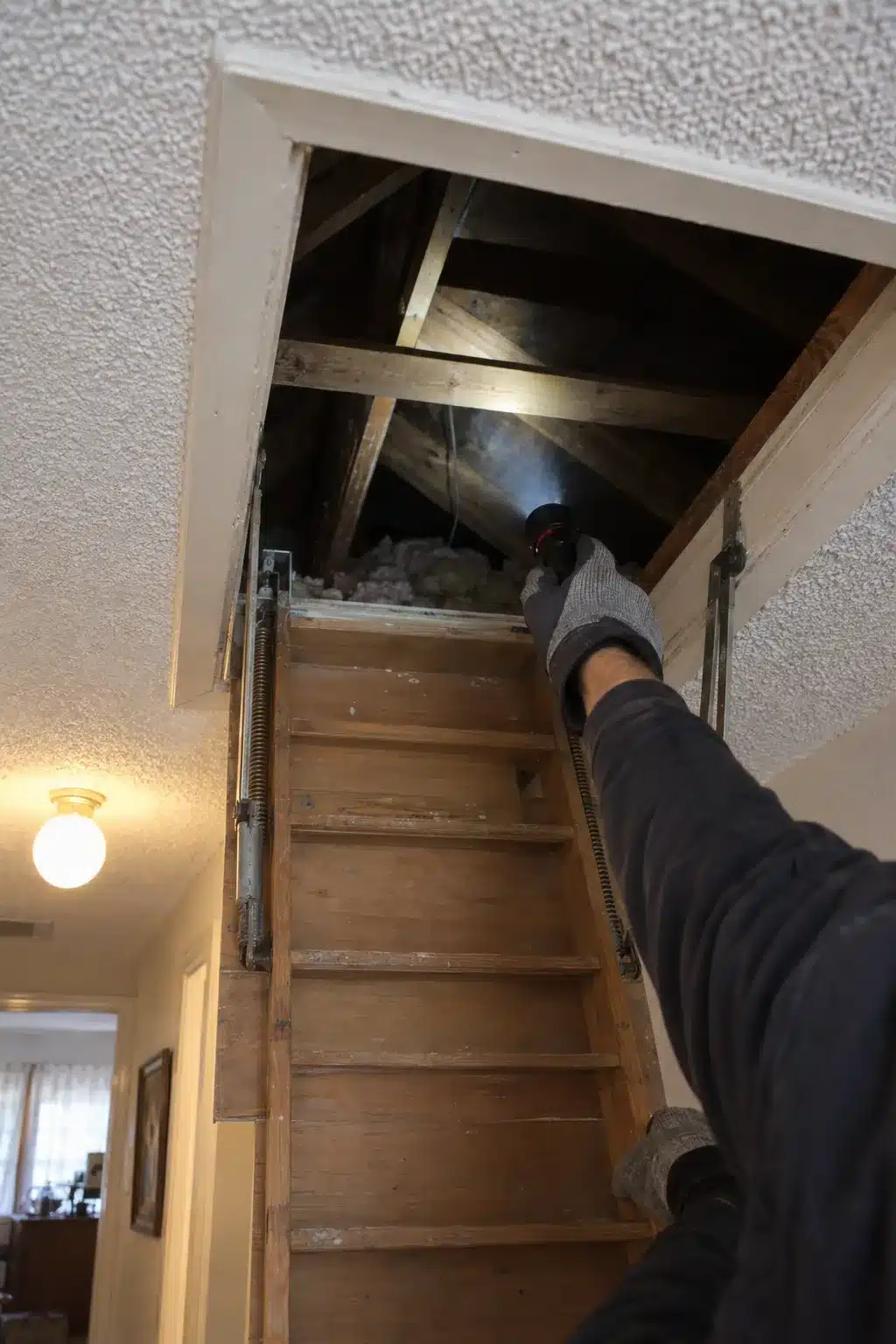
Most Reseda homes built before 1980 have gaps rodents can use. We do a full inspection of the structure — roofline, vents, garage, crawl space, attic access — before you close. You get a written report and photos. No surprises after move-in.
Hardware cloth, Xcluder fill fabric, and concrete where the job demands it. Every gap a roof rat can fit through gets sealed — permanently.
Roof rats nest in attic insulation. We remove contaminated material, sanitize the space, and seal every roofline gap so they can't return.
Older Reseda homes often have raised foundations with open vents. We assess, seal, and document every access point under the house.
Garage doors, side doors, and wall penetrations are common entry points in West Valley homes. We seal them with materials that last.
California rental law places the rodent-free obligation on landlords. We document the work in a format that holds up to tenant complaints and city inspection. Multi-unit properties and commercial buildings get the same systematic inspection-first process.
After trapping or before sealing, we remove carcasses and sanitize affected areas. Hantavirus is a real concern in uncleaned attics.
About Rodent R Us
"Poison and trapping manage the population. Sealing the building ends the problem."
Dispatched from Tarzana
We work Reseda, Northridge, Canoga Park, and the full West San Fernando Valley out of our Tarzana base.
☎ (323) 805-0173Rodent R Us provides rodent exclusion services in Reseda, dispatched from our Tarzana location with a field crew of 15 or more technicians. Same-week inspections are typically available throughout the West San Fernando Valley.
Reseda sits in a flat stretch of the San Fernando Valley between Northridge and Canoga Park. The neighborhood has a dense mix of post-war tract homes, most built between the 1950s and 1970s. Those homes share a common feature: aging wood soffits, unsealed vent openings, and roofline gaps that weren't designed to keep rodents out. Roof rats exploit all of them.
The mature tree canopy running through Reseda's residential streets connects roof to roof. Roof rats travel those lines. When temperatures drop in late fall, they move from trees and outdoor harborage into warm attic spaces. By the time a homeowner hears scratching, there's already a nest.
Trapping and rodenticide reduce the number of animals in a building. They do not stop more animals from entering. As long as there's an open gap at the roofline or foundation, a new population will move in within weeks.
Exclusion seals those gaps with materials that last - hardware cloth, Xcluder fill fabric, and concrete where the structure requires it. The work is documented with photos so you have a record of what was sealed and where.
Read more about the practical difference: rodent exclusion vs. extermination, or review the full roof rats Los Angeles guide.
Every inspection produces a written report identifying all active and potential entry points, evidence of activity (droppings, grease marks, gnaw damage), and a recommended scope of work. Every sealed gap gets photographed before and after.
For real estate buyers, that documentation is useful at the negotiating table. For landlords, it's the paper trail California law requires. For homeowners, it's a baseline record if activity returns. See what the inspection process looks like: rodent inspection Los Angeles.
Wildfire activity in the hills above the San Fernando Valley pushes rodent populations downhill into residential neighborhoods. Reseda, Northridge, and Canoga Park have all seen increased attic infestations following major fire events. If your neighborhood was near a recent burn area, that's context worth knowing before assuming the problem is isolated. Learn more about post-wildfire rodent control Los Angeles.
15+
Field crew members dispatched from Tarzana
100%
Photo-documented work on every job
Same
Week
Inspection availability across the West Valley
CA
SPCB
Licensed by the Structural Pest Control Board
Most inspections: 2-4 hours
A single-family home in Reseda typically takes half a day for a thorough inspection, documentation, and scope review. Multi-unit buildings take longer depending on unit count.
Exclusion cost varies with scope
Scope, access difficulty, and linear footage of sealing needed all affect cost. See realistic ranges: rodent exclusion cost Los Angeles.
Seasonal surge: October through February
Roof rat activity in the San Fernando Valley peaks in fall and early winter. Scheduling inspections before the October rush typically means faster availability. Read more: rodent activity San Fernando Valley.
Questions
Straight answers. No upsell framing, no vague disclaimers.
Full FAQ →See signs of activity?
Droppings, grease trails, gnaw marks, or sounds at night are all worth investigating before they spread.
Identify the signs →We inspect the full exterior of the structure: roofline, eaves, soffits, vents, chimney base, foundation, garage, and any attached structures. Inside, we check the attic for nesting material, droppings, and entry gaps. In homes with crawl spaces, we go under the structure.
The output is a written report with photos that identifies every active or potential entry point, documents evidence of current or past activity, and provides a clear scope of recommended work. Buyers use it to negotiate repairs or credits before close of escrow.
Full detail: pre-purchase rodent inspection Los Angeles.

Same-week inspection availability is typical during most of the year. October through February is our busiest period in the San Fernando Valley, so scheduling earlier in the fall gives you the most flexibility. Real estate transactions with escrow timelines get priority scheduling when the timeline requires it.
Call (323) 805-0173 to confirm current availability. Our Tarzana dispatch covers Reseda, Northridge, Canoga Park, and Chatsworth without long drive time.
Standard pest control kills or traps the animals already inside. It does nothing to close the gaps they used to enter. A new group of roof rats can colonize an open attic within weeks, especially in Reseda where mature street trees connect property to property.
Exclusion addresses the structural problem, not just the animal population. Once every entry point is sealed, there's nowhere for new animals to go. See the full comparison: rodent exclusion vs. extermination.
California law requires landlords to maintain habitable conditions, and a rodent infestation fails that standard. A documented exclusion with a professional inspection report is your best protection against tenant claims and city inspection failures.
We provide documentation in a format that's useful in both situations. See specifics: California landlord tenant rodent law and landlord rodent compliance California.
The material depends on the gap type and location. Hardware cloth (galvanized steel mesh) is used at vent openings and larger gaps. Xcluder fill fabric handles irregular gaps in walls and pipe penetrations. Concrete or mortar fills foundation cracks and masonry gaps. We don't use foam sealants alone because roof rats can chew through them.
Properly installed steel and concrete exclusion work is indefinite, barring structural shifts in the building. Exposed hardware cloth on rooflines should be inspected every few years for corrosion in coastal-adjacent climates. Reseda's inland location means less salt exposure than coastal LA, so longevity is generally better.
The species is the same - Rattus rattus. But the San Fernando Valley's seasonal temperature swings are more extreme than coastal LA. Summer highs routinely exceed 100 degrees F, which drives roof rats indoors for temperature regulation, not just food. That means the entry-seeking behavior in the Valley starts earlier in summer and is more aggressive than in, say, Santa Monica.
Reseda's dense residential streets and mature tree canopy create ideal aerial travel routes for a species that prefers to stay off the ground. Homes with Italian cypress, eucalyptus, or large palms adjacent to the roofline are at higher risk. More context: roof rats Los Angeles guide.
DIY exclusion is possible for accessible, visible gaps at ground level. The problem is that most of the gaps roof rats use are on the roofline, inside soffits, or at the attic gable vents. Missing one gap means the job is incomplete, because a roof rat only needs an opening the size of a quarter.
We see the same DIY pattern repeatedly: foam or steel wool stuffed into visible gaps, but the animal is still active because there's an unsealed entry under the eave overhang or at the chimney cap. The tradeoff is real inspection time and aerial access vs. the cost of doing it twice. Full breakdown: DIY rodent proofing vs. professional.
A pre-purchase inspection typically runs 2-4 hours and produces a full written report. Schedule before your inspection contingency expires and use the findings at the negotiating table.
Multi-unit properties in Reseda need documentation that holds up. We work around tenant schedules and provide inspection reports suited to compliance requirements.
Landlord compliance details →Droppings, gnaw marks, noise at night, or dead rodents are signs the problem is already established. Start with a full rodent inspection to understand the scope before committing to any work.
Identify the signs →For properties that want scheduled inspections and proactive sealing as the structure ages, we offer retainer plans. Useful for older Reseda homes and multi-unit operators.
Maintenance plan details →Whether you're managing a rental, buying a home near Northridge, or dealing with active activity after a nearby fire, there's specific information that applies to your situation.
Tell us where you found evidence and we'll get back to you, often the same day.
Or ask for a call back using the form below ↓